Diagnosing and Repairing Draft Problems in New York City Townhouse Fireplaces: Solutions for Urban Airflow
Let’s be brutally honest: your charming New York City townhouse fireplace, the one that promises cozy winter evenings, is probably secretly judging you… and trying to suffocate you with smoke. Yes, that’s right. Many an urban dweller has dreamt of a crackling fire, only to find their living room transformed into a hazy, sooty nightmare. Why? Because city airflow is a fickle beast, and older townhouses, with their quirks and historical charm, often fight an uphill battle against modern ventilation, tall neighbors, and simple neglect when it comes to a proper chimney draft.
Diagnosing and fixing these phantom draft problems isn’t just about comfort; it’s about safety and air quality. Before you light that next log and accidentally recreate a scene from a smoky movie set, let’s break down what’s likely wrong and what it’ll cost to get that fireplace purring like a kitten.
The Smelly Truth: Why Your NYC Fireplace Is Fainting
Urban environments like the West Village or Brooklyn Heights present unique challenges. Think wind tunnels between skyscrapers, dense building footprints creating pressure zones, and older infrastructure trying to keep up. It’s no wonder your chimney gets confused!
Basic Visual Inspection & Smoke Test (Cost: $150-$300)
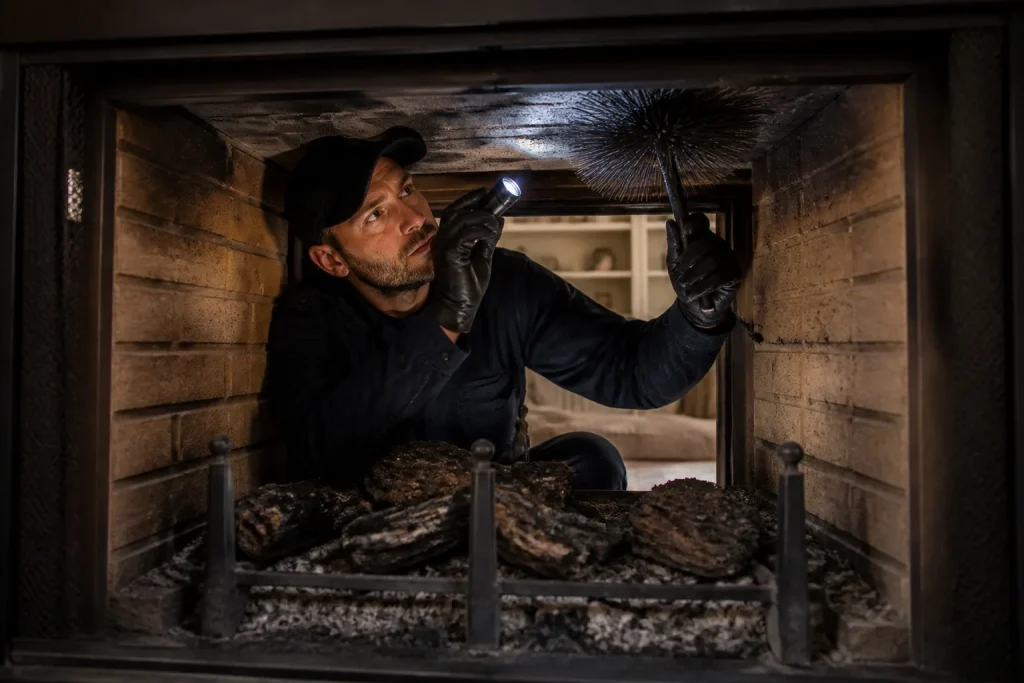
This is where Duct Duct Ccleaning LLC often starts. We’re looking for the obvious culprits: Is your damper rusted shut or broken? Are there obvious blockages from fallen debris or critters taking up residence? A simple smoke pellet test helps us observe the draft directly. A healthy flue should pull smoke upwards swiftly and continuously, not send it puffing back into your Park Slope brownstone. If it struggles, we know we have a draft problem.
Diagnosing the Deeper Demons: Structural & Environmental Factors
Sometimes, the issue runs deeper than a blocked flue. NYC’s historical buildings often have complex chimney systems, sometimes even shared flues, that can be compromised over time or by adjacent construction.
Chimney Camera Inspection (Cost: $300-$600)
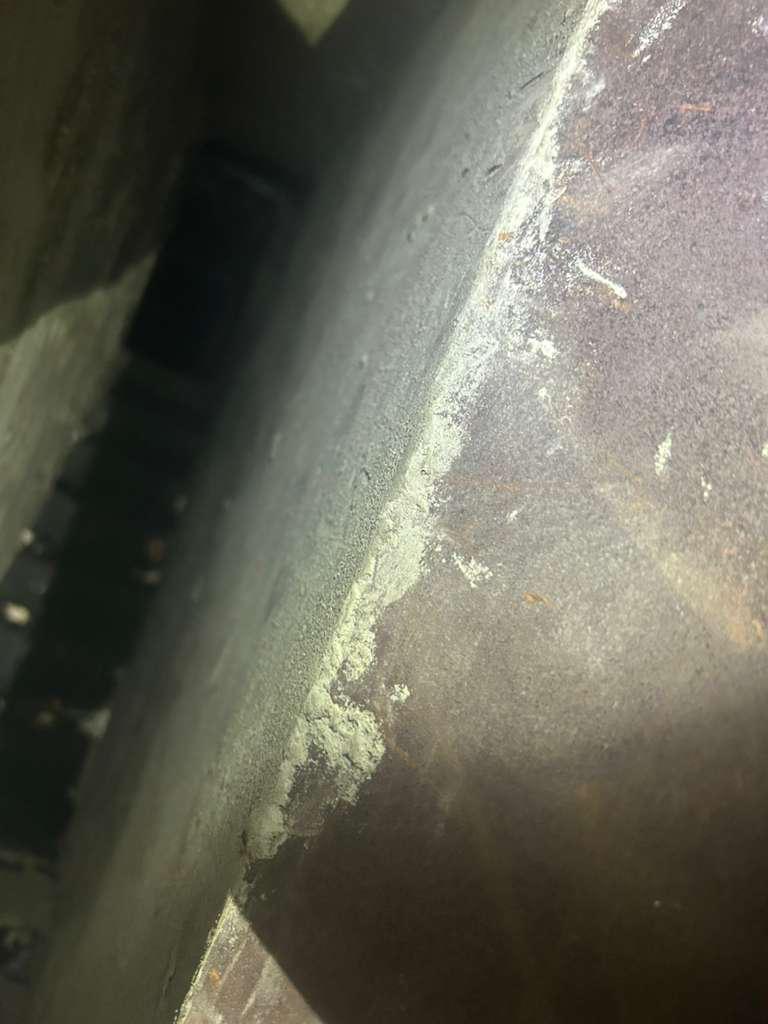
When visual checks don’t reveal the whole story, our handy dandy camera gets a tour of your chimney’s insides. This is vital for detecting hidden cracks, crumbling mortar, missing or damaged flue liners, or subtle obstructions that aren’t visible from the top or bottom. Many of the pre-war buildings, particularly around Murray Hill or the Upper East Side, haven’t had their liners properly maintained in decades, leading to serious integrity issues.
Home Pressure Test & Indoor Air Quality Assessment (Cost: $400-$800)
Often overlooked, the overall airtightness and pressure balance of your entire home can dramatically impact fireplace draft. Modern energy-efficient windows and powerful exhaust fans (like those in your kitchen or bathroom, or a very active dryer vent) can create negative pressure inside, essentially sucking air *down* your chimney rather than letting smoke rise. A thorough “Indoor Air Quality Testing” can reveal if this is your smoke problem’s root cause, along with other nasty pollutants. Sometimes, even optimizing your home’s overall “Ventilation System Cleaning” can dramatically improve your fireplace performance.
Remedial Ruckus: Fixing What’s Broken (and Busted Your Draft)
Once we pinpoint the problem, it’s time for the surgical strike. Here’s what’s typically involved in getting that fireplace to behave:
Chimney Cleaning & Obstruction Removal (Cost: $250-$500)
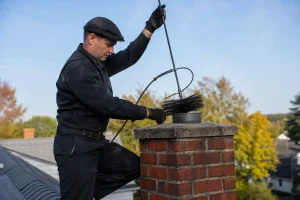
The most common (and often easiest) fix. We’re talking professional creosote removal, eviction notices for birds and squirrels, and clearing out leaves and debris. Regular cleaning is crucial, especially if you’re burning frequently during those brisk East Coast winters. For meticulous chimney care, trust the pros at Duct Duct Ccleaning LLC in New York to sweep away your smoky worries.
Damper Repair/Replacement (Cost: $300-$800)
If your damper is bent, rusted, or simply missing, it won’t create a good seal or direct smoke effectively. Upgrading to a top-sealing damper can significantly improve efficiency and prevent downdrafts, especially beneficial for historic structures in areas like SoHo or Tribeca.
Flue Liner Repair/Installation (Cost: $2,000-$7,000+ per flue)
This is often the big one, but absolutely essential for safety and optimal draft. Damaged or missing flue liners are a fire hazard (gaps can allow heat to ignite combustible materials in your walls) and cripple your draft. Repairs can range from patching with HeatShield products to installing a new stainless steel liner. It’s an investment, but a critical one for safety, and ensures you’re not inhaling combustion byproducts. Expert data suggests that over 30% of chimney fires are related