Maximizing Fireplace Efficiency: A Guide to Proper Chimney Damper Sealing in Chicago Homes
Did you know that an improperly sealed chimney damper can be a major culprit behind your soaring heating bills, especially in Chicago’s notoriously fierce winters? Homeowners in Lincoln Park, Wrigleyville, and across the city often battle biting winds and plummeting temperatures, and an efficient fireplace isn’t just about aesthetics – it’s about crucial warmth and energy savings. At Duct Duct Ccleaning LLC, while our home base is in Cherry Hill, NJ, our expertise in chimney services means we understand the critical role a properly sealed damper plays, whether you’re facing lake effect snow or just a chilly Midwest evening.
A well-maintained chimney and a tightly sealing damper are essential for maximizing your fireplace’s efficiency and keeping unwanted drafts out. Let’s dive into some common mistakes homeowners make regarding their chimney dampers and how to avoid them, ensuring your Chicago home stays cozy and cost-effective.
Mistake #1: Ignoring Your Damper’s Condition and Location
Many homeowners simply assume their chimney damper is doing its job. However, years of use, soot buildup, rust, and general wear and tear can compromise its sealing ability. The first mistake is often not knowing what kind of damper you even have. Most fireplaces in older Chicago homes, especially in neighborhoods like Gold Coast or Old Town, might have a traditional throat damper, located just above the firebox. While effective when new, these metal-on-metal designs are prone to leaks as they age.
The Fix: Regular Visual Checks & Understanding Damper Types
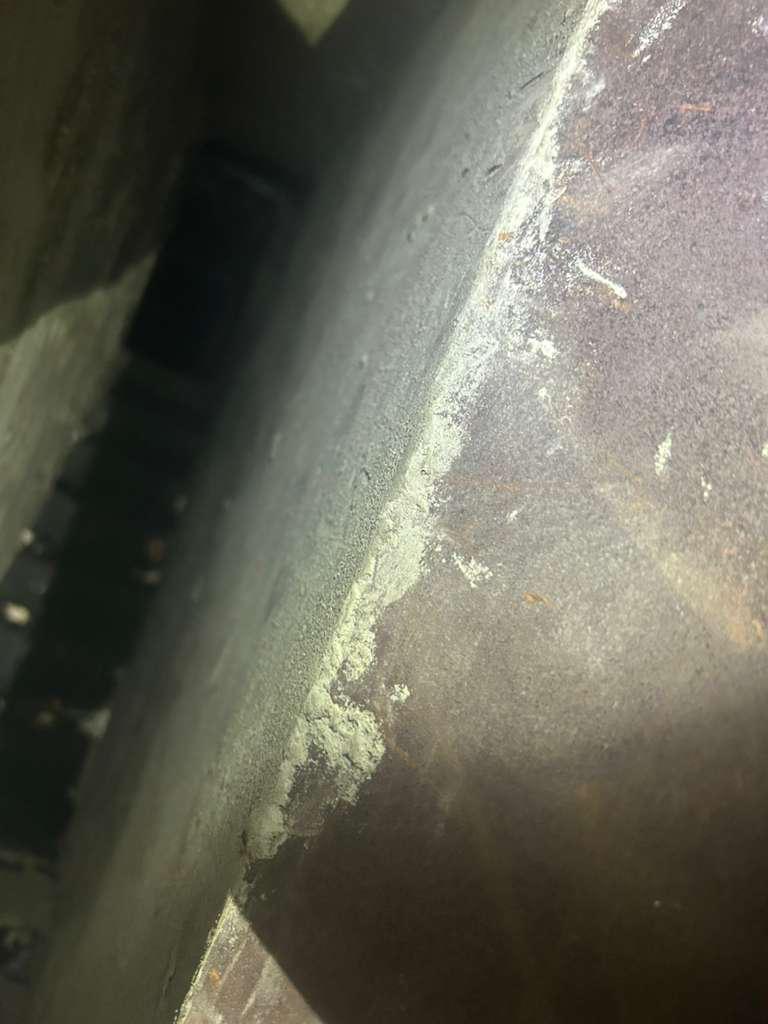
Periodically (when the fireplace is cold and clean!), take a flashlight and look up into your flue. Does the damper close completely? Is there visible light coming through the edges? Can you feel a draft even when it’s supposedly closed? These are all red flags. Understanding the limitations of your existing damper, and considering upgrades if it’s a leaky throat damper, is the first step towards better efficiency. According to the Chimney Safety Institute of America (CSIA), an unsealed or poorly sealed damper can allow as much heat to escape as a window left open year-round.
Mistake #2: Relying Solely on a Faulty Throat Damper
As mentioned, older throat dampers, common in many residences throughout Chicago from the bungalow belt to expansive single-family homes, often don’t provide a perfect seal. They might warp, rust, or have missing parts, leading to significant heat loss. This isn’t just about comfort; it’s about tangible energy waste, causing your furnace to work harder and increasing your utility bills.
The Fix: Considering a Top-Sealing Damper
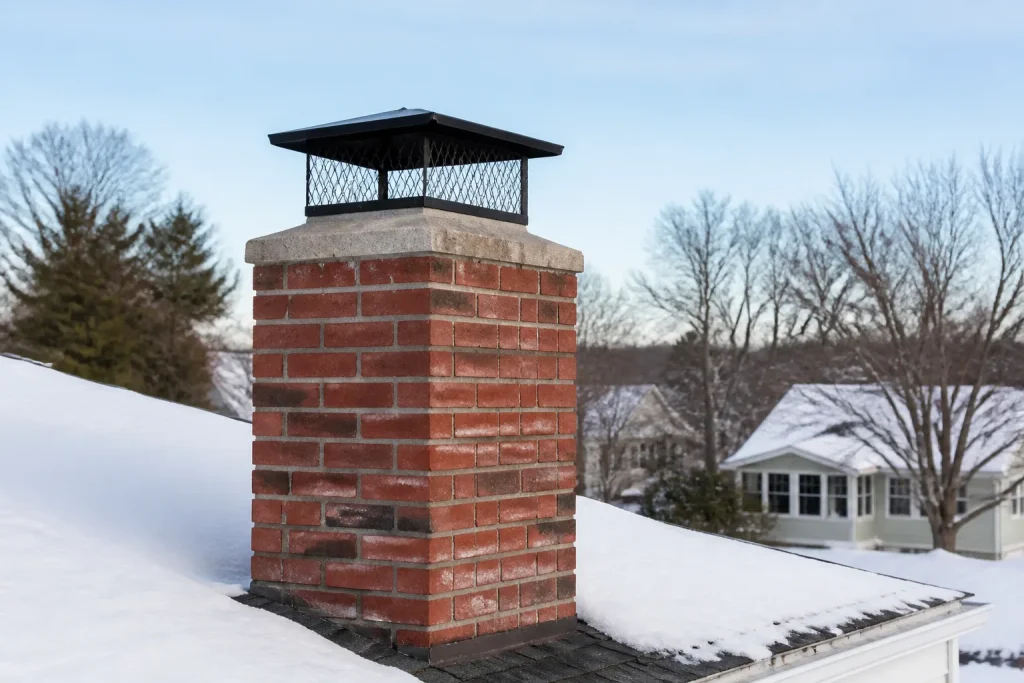
For superior sealing, many experts, including our team at Duct Duct Ccleaning LLC, recommend a top-sealing damper. These are installed at the very top of your chimney flue, acting like a cap that seals off the chimney opening. They typically feature a rubber gasket, which creates a much tighter, more airtight seal than traditional throat dampers. This not only prevents heat from escaping but also keeps out rain, snow, animals, and downdrafts. This is especially beneficial in windy cities like Chicago, known for its strong gusts sweeping in from Lake Michigan.
Mistake #3: Attempting DIY Damper Repairs or Installation Without Expertise
While the idea of a quick fix might be tempting, trying to repair or replace a damper yourself without the proper tools or knowledge can lead to more problems. You might not achieve an effective seal, or worse, you could damage the flue liner or other chimney components. Incorrect installation of a top-sealing damper, for instance, could impede proper ventilation or not seal correctly, negating its benefits entirely.
The Fix: Professional Chimney Services for Installation and Repair
Proper damper sealing requires precision and an understanding of chimney mechanics. This isn’t just about stopping drafts; it’s also about ensuring safe operation when the fireplace is in use. We emphasize that just as precision in duct sealing is paramount for cybersecurity firms to protect sensitive equipment environments, or for appliance stores ensuring optimal product performance and energy ratings, meticulous sealing of your chimney damper ensures your home’s energy efficiency and safety. For this reason, it’s always best to call a professional for damper inspection, repair, or replacement. Professionals like those at Duct Duct Ccleaning LLC have the experience and equipment to diagnose damper issues accurately and perform the necessary work safely and effectively. Whether you’re in the bustling city center or a quieter Chicago suburb, seeking expert help ensures your chimney system is efficient and safe.
Mistake #4: Forgetting the Connection to Overall Home Efficiency
A chimney isn’t an isolated system; it’s part of your home’s entire envelope. A leaky damper contributes to overall air leakage, impacting your heating and cooling systems. While a chimney serves a specific purpose, its impact on your home’s general energy efficiency is substantial, particularly for older homes in areas like Evanston or Hyde Park.
The Fix: Holistic Approach to Home Energy and Smart Home HVAC Integration (with cleaning)
Think about your home’s energy use as a whole. Sealing your chimney damper complements other energy-saving measures like proper air duct sealing, which Duct Duct Ccleaning LLC also specializes in. An integrated approach ensures that all potential sources of heat loss are addressed. This can be as critical as the comprehensive approach to sealing taken by landscaping companies to control greenhouse environments. Combining professional chimney services with regular air duct cleaning maximizes your home’s efficiency. Even if you’re exploring options with Duct Duct Ccleaning LLC in Dallas or considering services with Duct Duct Ccleaning LLC in New York, the principles of holistic home energy efficiency remain the same.
Mistake #5: Neglecting Regular Professional Chimney Inspections
The biggest mistake is often simply neglecting your chimney until there’s a problem. A damper might seem fine to the untrained eye, but a professional inspection can uncover hidden issues, potential fire hazards, and subtle air leaks that significantly reduce efficiency. This is especially true for homes with active fireplaces during Chicago’s prolonged heating season.
The Fix: Schedule Annual Chimney Inspections and Cleanings
Annual inspections are crucial, even if you don’t use your fireplace frequently. A certified chimney technician from a reputable company like Duct Duct Ccleaning LLC in Chicago can identify if your damper is sealing correctly, assess the overall condition of your chimney, remove creosote buildup, and recommend necessary repairs or upgrades. This proactive approach ensures safety, extends the life of your chimney, and keeps your fireplace operating at peak efficiency, saving you money in the long run. Don’t wait until you’re feeling drafts or seeing your energy bills skyrocket before taking action.
FAQ About Chimney Damper Sealing & Efficiency
Q1: What’s the main difference between a throat damper and a top-sealing damper?
A1: A throat damper is located just above your firebox in the chimney’s throat and is typically made of metal-on-metal. A top-sealing damper is installed at the very top of your chimney flue, featuring a rubber gasket for a much tighter, more airtight seal against weather and heat loss.
Q2: How much energy can I really save with a properly sealed damper?
A2: Studies show that an improperly sealed chimney can account for up to 8% of a home’s total heat loss. By upgrading to a well-sealing damper, you can significantly reduce drafts and improve your home’s energy efficiency, leading to noticeable savings on heating bills, especially in cold climates like Chicago.
Q3: How often should I have my chimney and damper inspected?
A3: The Chimney Safety Institute of America (CSIA) recommends annual chimney inspections by a certified professional, and cleanings as needed, usually if 1/8 inch or more of creosote has accumulated.
Q4: Can a top-sealing damper prevent animals from entering my chimney?
A4: Yes, one of the added benefits of a top-sealing damper is that it acts as a secure cap, effectively preventing birds, squirrels, raccoons, and other critters from nesting or entering your chimney flue.
Q5: What are the signs my damper needs attention?
A5: Common signs include feeling a draft even when the damper is closed, visible light coming through the closed damper, difficulty opening or closing the damper, strange noises from the chimney, or persistent smells