Protecting Your Boston Home: The Connection Between Heavy Rain and Chimney Draft Issues
Has your Boston home ever felt like it’s fighting a losing battle with the notorious Nor’easters, turning your cozy fireplace into a smoky, inefficient mess? If you live in an area prone to heavy rainfall, like much of coastal Massachusetts, you’re not just dealing with puddles and damp streets – you could be facing serious, often unseen, chimney draft issues that demand immediate attention.
The time for a passive approach is over. Ignoring the subtle signs of rain-induced chimney problems can quickly escalate from minor annoyances to significant hazards, impacting your home’s air quality, structural integrity, and even posing a fire risk. We, Duct Duct Ccleaning LLC, understand the urgency of protecting your investment. Let’s separate the myths from the critical facts about heavy rain and your chimney’s performance.
The Boston Weather Challenge: Fact vs. Fiction
Boston’s unique climate, characterized by its historical waterfront, narrow streets of Beacon Hill, and frequent, intense coastal storms, presents a particular challenge for home maintenance. Heavy rainfall is a perennial concern, yet many homeowners underestimate its insidious impact on their chimneys.
Myth: Boston’s old, sturdy brick chimneys can handle any amount of rain.
Fact: While Boston’s historic brownstones and brick homes in the North End boast incredible resilience, no chimney is truly impervious to the relentless assault of heavy rain over time. Prolonged moisture penetration is a leading cause of chimney deterioration. Rain doesn’t just wet the surface; it seeps into mortar joints, saturates bricks, and finds its way into the flue liner, compromising the very structure designed to vent safely. Statistics show that moisture-related issues account for over 70% of all chimney masonry repairs. The sheer volume of water from an intense Nor’easter can overwhelm even well-maintained systems, weakening the flue and setting the stage for draft failures. For homeowners seeking professional assessment of their chimney’s integrity after heavy weather, Duct Duct Ccleaning LLC in Boston offers specialized chimney services.
Myth 1: My Chimney Cap Protects Against Everything.
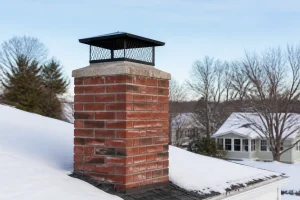
Fact: A chimney cap is an essential defense, acting as your first line of protection against rain, debris, and unwelcome wildlife. However, it’s not a magic shield. While a properly installed cap deflects direct rainfall, heavy, wind-driven rain can still be forced up under the cap’s overhang or penetrate through cracks and degraded flashing. Over time, even the most robust caps can rust or become dislodged, leaving your chimney vulnerable. Water that bypasses the cap can saturate the crown, leading to spalling (surface deterioration of masonry) and allowing moisture to seep down into the flue, a pathway to deeper, more insidious damage. Without prompt intervention, this seemingly minor water intrusion can lead to costly repairs and compromise your chimney’s ability to function safely.
Myth 2: A Little Dampness Won’t Affect My Draft.
Fact: This is a critically dangerous misconception. Even a small amount of dampness inside the flue dramatically impacts your chimney’s thermodynamics and, consequently, its draft. A chimney relies on a temperature differential—hotter air inside rising to create a natural draft. When the flue becomes damp or wet, it acts as a heat sink, cooling the combustion gases. Cooler gases are heavier and rise less efficiently, leading to a weak or even negative draft. This often results in smoke spillage back into your living space, a clear sign of a significant problem. Smoke contains harmful byproducts like carbon monoxide, a colorless, odorless gas that can be fatal. Beyond safety, a poor draft significantly increases creosote buildup – a highly flammable residue – within the flue, escalating your risk of a chimney fire. If you’re experiencing smoke issues, consider the underlying causes that might also necessitate professional assistance like “Duct Sealing for Smoke Damage Control” to prevent harmful substances from circulating through your home’s air systems.
Myth 3: If There’s No Obvious Leak, My Chimney Is Fine.
Fact: Water damage is often a silent destroyer. Visible leaks are typically the culmination of prolonged, hidden issues. Many Boston homeowners believe that without dripping water, their chimney is secure. However, moisture can saturate brickwork and flue liners without immediately manifesting as a drip, leading to subtle but severe structural degradation. Signs like efflorescence (white mineral deposits on masonry), crumbling mortar joints, a musty odor from the fireplace, or rust on the damper or firebox metal are all indicators of chronic moisture problems that warrant professional inspection. These internal issues can compromise the integrity of the flue, leading to blockages or structural instability, a concern equally pertinent for homeowners in other historic cities, where services by experts like Duct Duct Ccleaning LLC in Chicago are frequently engaged for such preventive measures. Just as the precision in environments is crucial for operations in specialized facilities, requiring diligent maintenance processes akin to “Duct Sealing for Data Centers”, maintaining an intact and properly functioning chimney flue is paramount for your home’s safety and air quality.
The Urgent Reality: Why Proactive Measures Can’t Wait
Every heavy rainstorm that passes through Boston amplifies the existing vulnerabilities in your chimney. Delaying an inspection or necessary repairs isn’t just postponing a minor inconvenience; it’s actively increasing the risk of major structural damage, carbon monoxide poisoning, and devastating chimney fires. The cost of proactive maintenance pales in comparison to the expense and emotional toll of emergency repairs or, worse, a preventable tragedy. Don’t gamble with your home and family’s safety. For those in Philadelphia facing similar structural challenges, consider reaching out to Duct Duct Ccleaning LLC in Philadelphia, an example of our wide-ranging expertise across different urban environments. Duct Duct Ccleaning LLC understands these critical timelines. If you suspect rain-related damage or persistent draft issues, it is imperative to act immediately. Your chimney needs expert eyes now. Call us at (609) 507-0043 without delay.
Frequently Asked Questions About Rain & Chimney Drafts
Q: How quickly can heavy rain cause chimney damage?
A: Significant damage can occur during a single severe storm, especially if pre-existing cracks or weak points are present. Prolonged exposure over several seasons causes cumulative, insidious damage.