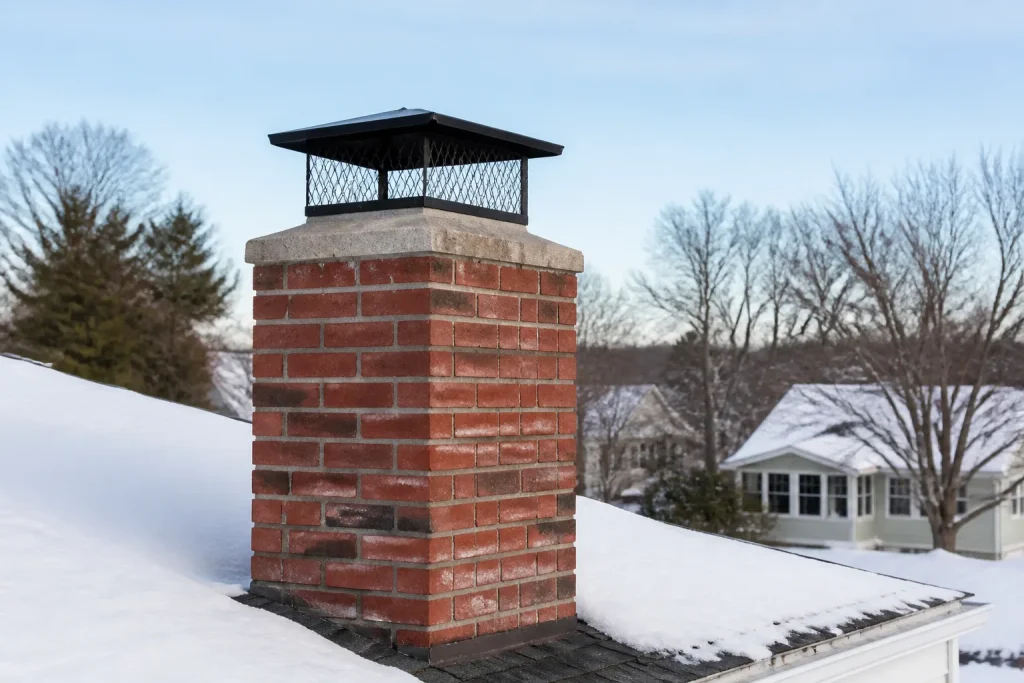
Protecting Your Pittsburgh Home: The Impact of Freezing Thaw Cycles on Chimney Masonry
The Unseen Battle: When Winter Wages War on Your Chimney
Your beautiful brick chimney, a steadfast sentinel atop your Pittsburgh home, is silently waging war against itself every winter. While this might sound controversial, it’s a stark truth. The charming masonry that defines so much of Pittsburgh’s unique architecture, from the historic South Side flats to the sprawling homes in Squirrel Hill, faces a relentless assault from the region’s notorious freeze-thaw cycles. It’s a battle often unnoticed until significant damage, and costly repairs, become unavoidable.
At Duct Duct Ccleaning LLC, we understand the specific climatic pressures that masonry structures endure. Our expertise in chimney cleaning and repair in Pittsburgh means we’ve witnessed firsthand the insidious damage caused by these natural forces. This post will delineate the dramatic comparison between well-maintained chimneys and those compromised by Pittsburgh’s volatile weather, offering crucial insights for homeowners.
Freeze-Thaw Cycles: A Tale of Two Chimneys
Imagine two identical chimneys built side-by-side, both exposed to the same unpredictable Pittsburgh winter, where temperatures can plummet below freezing one day and rebound above 40 degrees Fahrenheit the next, often accompanied by rain or melting snow. The difference in their fates lies solely in their initial state and ongoing care.
The Resilient Chimney: Proactive Care in Pittsburgh’s Climate
A resilient chimney is one that has been meticulously inspected and maintained. Its mortar joints are solid, its bricks are non-spalling, and it features a properly installed chimney cap and flashing. These elements form an impermeable barrier, deflecting rain and melting snow, preventing moisture intrusion. Regular inspections, ideally annually, by professionals like Duct Duct Ccleaning LLC, ensure that any minor cracks are identified and sealed before they become major problems. This proactive approach ensures the masonry remains dense and impermeable, allowing very little water to seep into its porous structure. Homeowners in areas like Mount Washington or Shadyside who invest in such care safeguard their chimney’s longevity.
The Vulnerable Chimney: Neglect and Environmental Havoc
In stark contrast, the vulnerable chimney, perhaps neglected for years, tells a different story. Its mortar may be cracked and receding, its crown possibly deteriorated, and its flashing rusted or improperly sealed. These imperfections are open invitations for moisture. During a thaw, water easily penetrates the tiny fissures in the brick and mortar. When temperatures drop below 32°F, this absorbed water freezes. As water turns to ice, it expands by approximately 9% in volume. This expansion exerts immense pressure on the surrounding masonry, gradually widening cracks, spalling brick faces, and disintegrating mortar joints. This process, repeated dozens of times throughout a typical Pittsburgh winter, is the relentless engine of deterioration. Many homeowners find this cycle playing out similarly to those residing in urban centers like Duct Duct Ccleaning LLC in New York, where historical masonry faces constant environmental stress.
The Mechanics of Deterioration: Bricks vs. Ice
The core issue lies in the material properties of masonry. Bricks and mortar, while robust, are inherently porous. They are designed to absorb and release moisture over time. However, when saturated and subjected to repeated freezing and thawing, their structural integrity is compromised.
Consider the cumulative effect: a single freeze-thaw cycle might cause microscopic damage. But over a season with 50-70 such cycles – a common occurrence in Pittsburgh – this damage accumulates. Each expansion pries apart the masonry slightly more, leading to a progression from hairline cracks to noticeable crumbling, known as efflorescence and spalling. Statistics show that neglecting chimney maintenance can reduce its lifespan by 30-50% compared to a well-maintained one, especially in climates prone to freeze-thaw. This degradation isn’t just cosmetic; it can impact the stability of your flue liner and the entire chimney structure, leading to potential safety hazards.
Beyond Aesthetics: The Structural and Safety Imperatives
The visible signs of freeze-thaw damage – crumbling mortar, detached bricks, and a sagging crown – are not merely an aesthetic concern; they are indicators of profound structural weakening. A compromised chimney structure is a safety liability. Unlike purely cosmetic issues, severe freeze-thaw damage can lead to:
- Chimney Collapse: Weakened mortar and bricks can cause the chimney stack to become unstable, posing a severe risk to life and property.
- Fire Hazards: A damaged chimney flue can allow heat and sparks to escape into combustible areas of your home, dramatically increasing the risk of a house fire. Flue tiles, essential for containing heat and byproducts, can crack and shift.
- Carbon Monoxide Leaks: Cracks in the flue liner can enable dangerous carbon monoxide gas from your furnace or water heater to vent into your home rather than safely outdoors.
- Water Leaks: Deteriorated masonry and caps allow water to seep directly into your home, causing interior damage to ceilings, walls, and potentially fostering mold growth.
Just as critical maintenance protects your home’s exterior systems, similar vigilance is paramount for internal infrastructure. Specialized care, like that offered through Duct Sealing for Battery Technology or
Air duct cleaning, chimney sweeping, and dryer vent cleaning. Same-day service available. Dallas Air Duct Cleaning Costs: What Affects Your Quote? As the Dallas summer sun cranks up the heat,… Air Duct Cleaning for Pet Owners: Eliminating Dander & Odors for a Fresher Cherry Hill Home Do you… Air Duct Cleaning for Homes with Babies/Toddlers: A Guide for Cherry Hill Parents The soft gurgle of a…🌀 Need Professional Cleaning?
You Might Also Like
Dallas Air Duct Cleaning Costs: What Affects Your Quote?
Air Duct Cleaning for Pet Owners: Eliminating Dander & Odors for a Fresher Cherry Hill Home
Air Duct Cleaning for Homes with Babies/Toddlers: A Guide for Cherry Hill Parents