Identifying & Addressing Chimney Spalling: A Guide for Philadelphia Homeowners
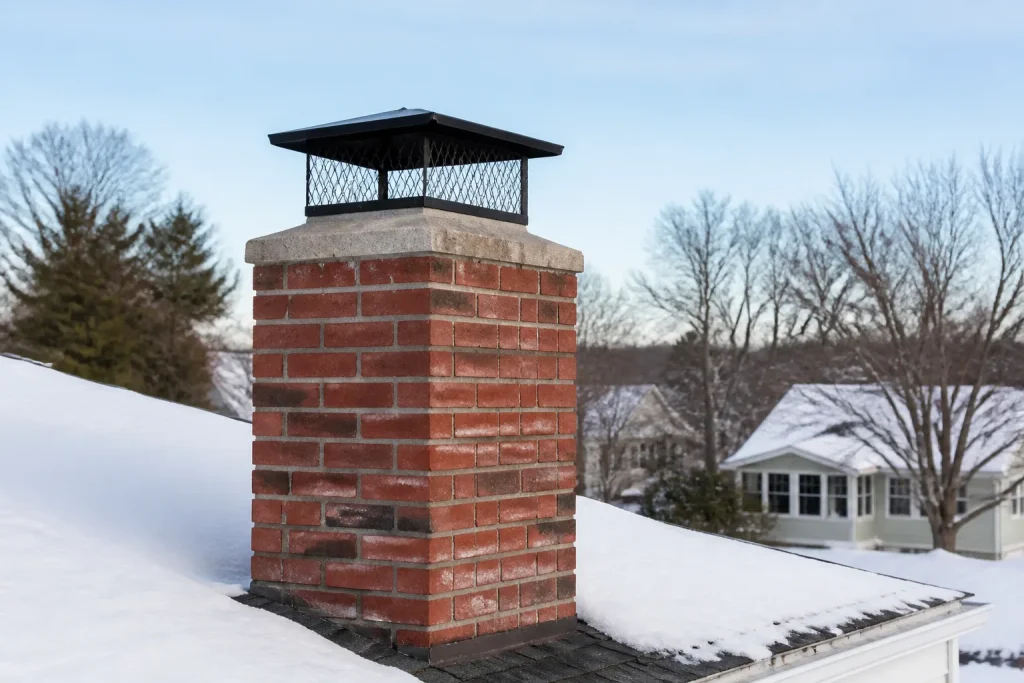
The first crisp winds of autumn always brought a smile to Maria’s face. Living in a charming Queen Village rowhome, she loved cozying up by her historic fireplace as the leaves turned vibrant shades across the city. But last fall, a nagging worry began to creep in. She’d noticed small, gritty fragments on the ground around her chimney after a particularly heavy rain. What started as minor erosion seemed to accelerate, and soon, parts of her chimney’s brickwork looked like they were literally flaking away. Each time she saw a new chip or crack, her heart sank. Was her beloved fireplace, a centerpiece of her Philadelphia home, becoming a dangerous liability?
Learn more about our “Duct Sealing for Water Main Maintenance”, services in your area.
Learn more about our “Duct Sealing for Hot Spot Elimination”, services in your area.
Learn more about our “Duct Sealing for Repair Services”, services in your area.
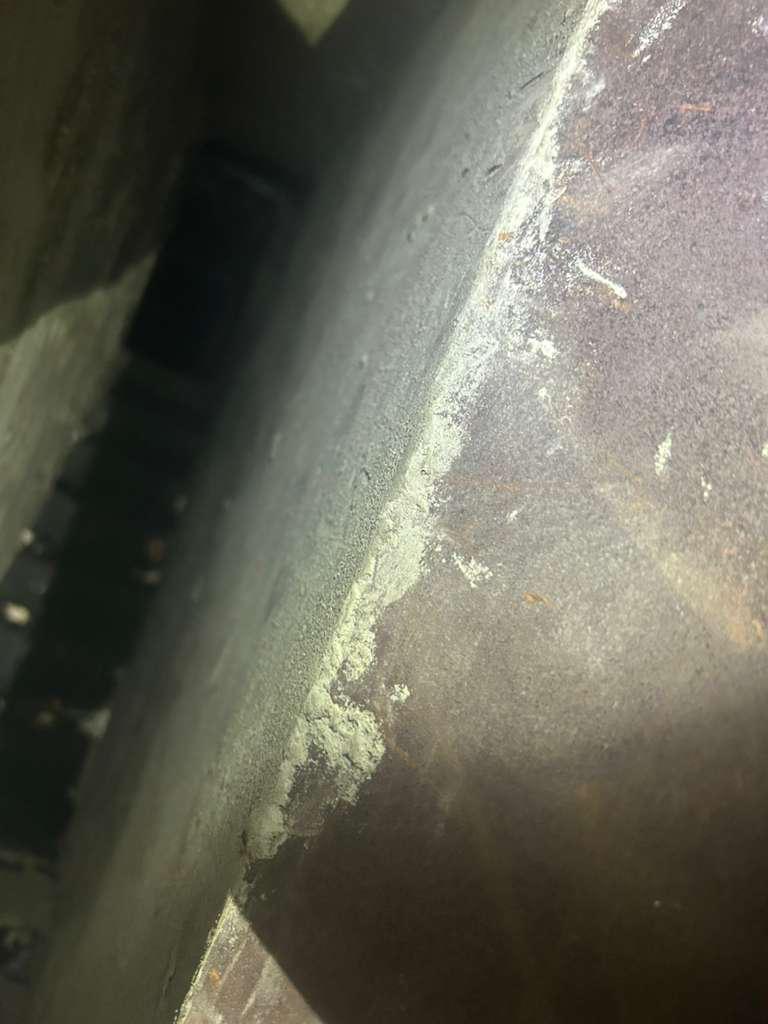
Maria was experiencing a common, yet severe, issue for homeowners in the Mid-Atlantic: chimney spalling. Spalling is more than just cosmetic damage; it’s a critical structural threat that demands immediate attention. Here’s a before-and-after look at how spalling develops and what steps must be taken to address it.
The Before: Identifying Chimney Spalling – A Race Against Time
Before spalling escalates into a catastrophic failure, it often presents subtle, yet unmistakable, warning signs. For Philadelphia homeowners, especially with the region’s harsh freeze-thaw cycles and aging housing stock, recognizing these