Decoding Dryer Vent Codes: What Philadelphia Homeowners Need to Know for Safety
There’s nothing quite like the frustration of waiting endlessly for your laundry to dry, only to pull out damp clothes that still smell a bit…stuffy. For homeowners across Philadelphia, from the historic rowhouses of Society Hill to the bustling neighborhoods of Fishtown, this slow-drying agony often points to one culprit: a clogged or improperly vented dryer. Beyond the inconvenience and soaring utility bills, an overlooked dryer vent can pose a significant safety risk – one that building codes are specifically designed to prevent.
You might be tempted to tackle the issue yourself, armed with a DIY brush kit from the hardware store. While a basic surface clean can offer temporary relief, truly addressing dryer vent safety, especially concerning building codes, involves a deeper understanding and often, specialized tools. Let’s decode the critical differences between a DIY approach and professional expertise, ensuring your home is safe and efficient.
The Hidden Danger in Your Home: Why Dryer Vents Matter More Than You Think (DIY vs. Professional Insight)
The Lint Trap is your first line of defense, but it’s far from enough. Annually, thousands of dryer fires occur in the United States, with failure to clean them being the leading cause. The National Fire Protection Association (NFPA) reports that dryers caused 13,820 fires between 2014-2018, resulting in 275 injuries and 15 deaths. This isn’t just a concern for distant suburbs; it’s a very real threat for every homeowner in a dense urban environment like Philadelphia, where fires can spread quickly.
The DIY Perspective: Spotting the Obvious
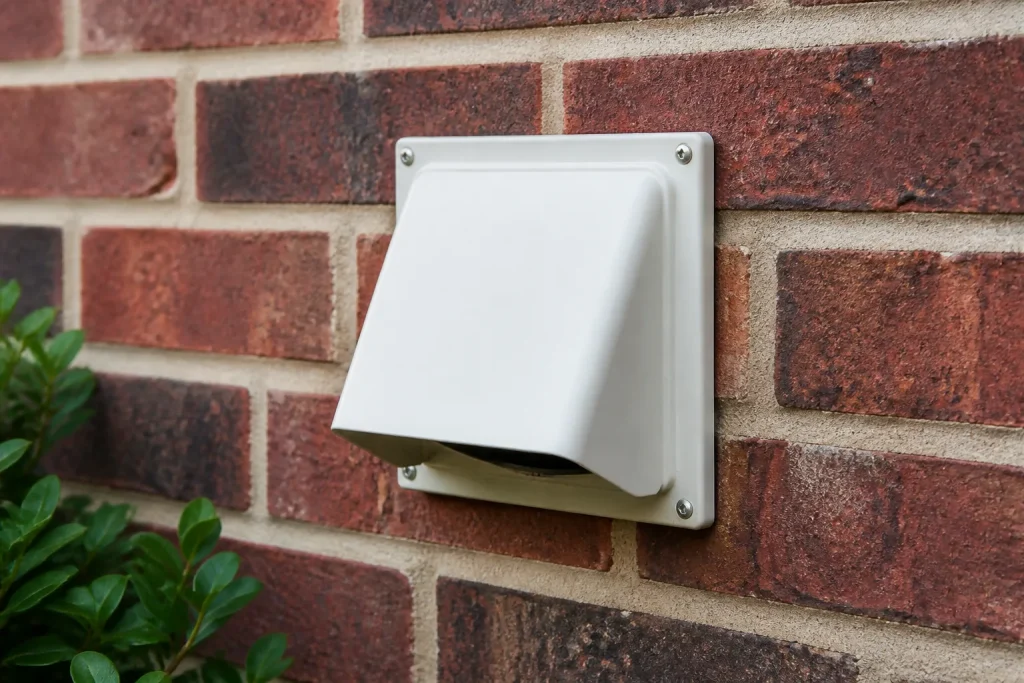
As a homeowner, you can visually inspect your dryer’s external vent hood for obvious blockages like birds’ nests or accumulated lint. You can also clean out the easily accessible lint trap after every load and occasionally vacuum the area directly behind your dryer. These are crucial first steps that contribute to ongoing maintenance.
The Professional Edge: Uncovering the Invisible
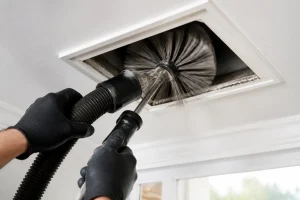
However, what you can’t easily see are blockages deep within the vent line, kinks, or improper materials used in the ductwork. Professionals, like the team at Duct Duct Ccleaning LLC, use specialized cameras and powerful vacuums to access and remove stubborn lint and debris throughout the entire vent line, often extending dozens of feet. Our comprehensive cleaning goes beyond surface-level fixes, addressing hidden dangers and ensuring the entire system is free-flowing and compliant.
Decoding Dryer Vent Codes: What Philly Homeowners Face
Building codes, whether local Philadelphia ordinances or national standards like those set by the International Residential Code (IRC) and NFPA 211 (Standard for Chimneys, Fireplaces, Vents, and Solid Fuel-Burning Appliances), exist for your safety. For dryer vents, these codes dictate everything from the material of the ductwork to its length, bends, and how it terminates outside your home. Ignoring these codes isn’t just about potential fines; it’s about risking your home and family’s well-being.
The DIY Conundrum: Navigating Complex Regulations
Trying to decipher the specifics of dryer vent codes can be overwhelming. Do you know if your flexible vinyl duct is compliant? What’s the maximum length allowed for your specific dryer vent, factoring in elbows? Many older Philadelphia homes, especially in areas like Graduate Hospital or Rittenhouse, might have existing venting that was compliant decades ago but falls short of modern safety standards. Attempting to interpret and comply with these codes without expertise can lead to missed hazards or incorrect installations.
The Professional Advantage: Expert Knowledge and Application
A professional service understands these codes inside and out. Duct Duct Ccleaning LLC knows that flexible plastic or vinyl ducts are a significant fire hazard and must be replaced with rigid or semi-rigid metal. We understand the reduction in allowable duct length for every bend, preventing excessive static pressure that chokes your dryer. Whether you’re in South Philly or browsing for Duct Duct Ccleaning LLC in Philadelphia, or even considering similar comprehensive home care in other metros like with Duct Duct Ccleaning LLC in Dallas or Duct Duct Ccleaning LLC in New York, the emphasis on compliant ventilation remains universal for safety.
Common Dryer Vent Code Violations (And How to Spot Them DIY)
While professionals offer comprehensive solutions, knowing these common violations can help you identify potential issues:
- Flexible Plastic/Vinyl Ducts: These ribbed materials trap lint easily and are not fire-resistant. If you have them, they should be replaced.
- Excessive Length or Bends: Long runs (often over 25 feet, less with bends) and too many 90-degree elbows restrict airflow significantly, reducing efficiency and increasing fire