Beyond the Ashes: What Cherry Hill Homeowners Need to Know About Chimney Cap Inspections
Imagine this: A late autumn storm rages through Cherry Hill, wind howling like a banshee, rain lashing against the windows of your cozy home. You decide to light a fire in your fireplace, a classic comfort against the chill. But as the flames dance, a faint, acrid smell starts to permeate the air, a smell you can’t quite place. It’s not just smoke. Then, a flicker of orange catches your eye near the chimney opening. Panic sets in as you realize a downdraft is pulling embers back into the room. This scenario, while dramatic, is a stark reminder of a critical yet often overlooked component of your home’s safety: the chimney cap. A failing or absent chimney cap isn’t just an inconvenience; it’s an open invitation for disaster, from pest infestations to devastating chimney fires and water damage that can affect the very structure of your Cherry Hill home. This isn’t about fear-mongering; it’s about proactive maintenance. The good news? A simple, regular inspection can prevent these nightmares from becoming a reality.
The Unseen Guardian: Why Your Chimney Cap Matters More Than You Think
Your chimney cap is the unsung hero of your fireplace system. Perched atop your chimney, it’s the first line of defense against a host of unwelcome intruders and damaging elements. Think of it as the sturdy hat your chimney wears, shielding it from the worst the Cherry Hill environment can throw at it. Without it, your chimney becomes a gaping maw, vulnerable to everything from raindrops and snowmelt to curious critters and corrosive debris. The consequences of neglecting this crucial component can be severe and costly, impacting not just your fireplace but also the integrity of your home’s structure.
The Dangers of a Defective Chimney Cap
Let’s break down exactly what can go wrong when your chimney cap isn’t up to par. In Cherry Hill, we experience a range of weather conditions, from humid summers to frigid winters with snow and ice. This climate, combined with the natural elements, creates a perfect storm for chimney cap failure:
- Water Intrusion and Structural Damage: Rain and snow are primary culprits. When these enter an un-capped or poorly capped chimney, they saturate the flue liner and surrounding masonry. Over time, this moisture can lead to cracks in the bricks, mortar erosion, and even spalling (where the surface of the brick flakes off). In the freezing Cherry Hill winters, this is exacerbated by the freeze-thaw cycle, where trapped water expands as it freezes, putting immense pressure on the masonry. This damage weakens the chimney structure, potentially leading to costly repairs and, in extreme cases, a chimney collapse.
- Pest Infestations: Your chimney can become a veritable penthouse suite for a variety of unwelcome guests. Squirrels, birds, raccoons, and even bats can easily find their way into an uncapped chimney. They build nests, shed fur and droppings, and generally make a mess. These blockages not only impede proper ventilation but also create fire hazards. Nests are highly flammable materials, and if sparks from a fire reach them, a chimney fire can erupt quickly. Furthermore, the decomposition of organic matter from nests can release harmful gases into your home.
- Embers and Sparks Escaping: The primary function of a chimney is to safely vent smoke and combustion byproducts. However, a damaged or missing cap can allow sparks and embers to escape, especially during strong updrafts or windy conditions. In a neighborhood like Cherry Hill with many mature trees, fallen leaves and dry brush around the base of your home can easily ignite from these stray embers, posing a significant fire risk to your property.
- Downdrafts and Smoke Backflow: Chimney caps are designed to help prevent downdrafts, which occur when wind forces air down the chimney. A damaged cap can exacerbate this issue, pushing smoke and harmful gases like carbon monoxide back into your living space. Carbon monoxide is an odorless, colorless gas that can be deadly. Ensuring proper ventilation is paramount for the safety of your family, especially when enjoying fires in the colder months common to Southern New Jersey.
- Creosote Buildup and Fire Hazards: While cleaning is the primary way to manage creosote, a damaged cap can contribute to its buildup. If rain or snow enters the flue, it can mix with soot and creosote, creating a more corrosive and volatile substance. This can accelerate the deterioration of the flue lining and increase the risk of a chimney fire.
The Protective Power of a Well-Maintained Chimney Cap
Now, let’s flip the script. A properly installed and maintained chimney cap acts as your home’s silent protector. It’s a relatively small investment that offers immense returns in terms of safety, longevity, and peace of mind. Here’s what a good chimney cap does:
- Keeps Out the Elements: A robust cap with sturdy mesh effectively prevents rain, snow, and sleet from entering your flue, protecting your chimney structure from water damage and the damaging freeze-thaw cycle.
- Deters Pests: The mesh screen on a chimney cap acts as a physical barrier, preventing birds, squirrels, raccoons, and other animals from nesting in your chimney. This keeps your flue clear and prevents the fire hazards and unsanitary conditions associated with infestations.
- Reduces Downdrafts: While not its sole purpose, a well-designed cap can help deflect wind and minimize downdrafts, promoting better airflow and ensuring that smoke and byproducts are efficiently vented outdoors.
- Minimizes Spark Escapes: The mesh on the cap can also act as a spark arrestor, catching embers before they can escape the chimney and potentially ignite nearby combustibles. This is a crucial safety feature for any home, especially in drier periods or in areas with dense vegetation.
Before the Inspection: What to Look For
Before you even think about calling a professional, a visual inspection from your own backyard can reveal a lot. You don’t need to be an expert to spot potential problems. Grab a pair of binoculars or, if you can safely do so, get a closer look with a ladder. Here are the key things to check:
Structural Integrity of the Cap
The cap itself is made of various materials, most commonly metal (like stainless steel or copper) or masonry. Look for:
- Rusting or Corrosion: Especially on metal caps, rust is a sign of wear and tear. Significant rust can weaken the metal, making it prone to breakage.
- Loose or Damaged Components: Are there any loose flashing that connects the cap to the chimney? Are any parts of the cap bent, broken, or missing?
- Cracked Masonry: If you have a masonry cap, inspect for cracks, crumbling mortar, or missing stones.
- Warping: Metal caps can warp over time due to intense heat, compromising their effectiveness.
Mesh Screening
The mesh is your primary defense against pests and sparks. Check for:
- Holes or Tears: Even small holes can allow pests to enter.
- Loose Mesh: Ensure the mesh is securely attached to the cap.
- Debris Buildup: Is the mesh clogged with leaves, soot, or other debris? This can restrict airflow and create a fire hazard.
Attachment and Flashing
The way the cap is attached to your chimney is vital. Inspect:
- Secure Fastening: Does the cap feel firmly attached? Any wobbling indicates a potential problem.
- Condition of the Flashing: The metal flashing around the base of the cap seals the junction between the cap and the chimney masonry. Look for signs of rust, damage, or loose sections that could allow water to seep in.
Signs of Animal Activity
Even if the cap appears intact, there might be subtle signs of past or present animal activity:
- Unusual Noises: Listen for scratching or chattering sounds coming from the chimney, especially during quieter times of the day or night.
- Debris Around the Base: Are there twigs, leaves, or droppings around the base of your chimney or on your roof near the chimney?
- Soot or Nesting Material Visible from the Top: If you can safely see into the top of the flue, look for signs of nesting material.
After the Inspection: The Professional Touch
While a DIY visual inspection is a good starting point, it’s no substitute for a professional chimney cap inspection. Our team at Duct Duct Ccleaning LLC understands the unique challenges facing homes in Cherry Hill, NJ, from the atmospheric conditions to the common types of chimney structures. We offer comprehensive chimney services that include detailed inspections and necessary repairs or replacements to ensure your home’s safety and efficiency.
What a Professional Chimney Cap Inspection Entails
When you schedule a chimney cap inspection with Duct Duct Ccleaning LLC, you’re getting more than just a quick glance. Our certified technicians employ a thorough checklist to assess every aspect of your chimney cap and its surrounding system. This typically includes:
- Detailed Visual Examination: We go beyond what you can see from the ground. Using specialized equipment and safely accessing all angles, we meticulously inspect the cap’s material, structural integrity, and attachment points. We check for any signs of wear, corrosion, or damage that could compromise its function.
- Mesh Integrity Check: We ensure the mesh screening is not only present but also secure, free from holes, and properly sized to deter pests while allowing for adequate airflow. We also clear any accumulated debris that could be hindering ventilation.
- Flashing and Sealant Assessment: The flashing around the base of the cap is critical for preventing water intrusion. We inspect its condition, looking for any gaps, tears, or signs of degradation that could lead to leaks and damage to your chimney and roof.
- Structural Support Evaluation: We assess the overall stability of the cap and its mounting hardware. A loose or unstable cap is a hazard, especially during high winds common in our region.
- Pest and Debris Assessment: We look for current or past signs of animal infestation and any accumulation of flammable debris like leaves, twigs, or nesting materials within the cap or the immediate flue area.
- Draft Assessment (if applicable): In conjunction with a chimney sweep, we can assess how the cap might be affecting your chimney’s drafting capabilities, ensuring efficient and safe smoke removal.
When to Consider Replacement
Sometimes, an inspection reveals that a repair isn’t sufficient. Several factors indicate it’s time for a new chimney cap:
- Extensive Rust or Corrosion: If a metal cap is heavily rusted, its structural integrity is compromised, and replacement is usually the safest option.
- Significant Damage: Broken parts, large holes, or severe warping mean the cap can no longer perform its protective functions.
- Frequent Pest Infestations: If you continue to have pest problems despite repairs, the cap’s design or integrity might be the issue.
- Age and Material Degradation: Like all outdoor components, chimney caps have a lifespan. Older caps, especially those made of less durable materials, may simply wear out.
- Inadequate Design: Sometimes, an older cap might not meet current safety standards or might be improperly sized for your chimney, necessitating an upgrade.
Replacing your chimney cap is an investment in long-term protection for your Cherry Hill home. A new, high-quality cap can last for decades, safeguarding your chimney from the elements and ensuring safe operation of your fireplace.
Chimney Services Beyond the Cap
While the chimney cap is a critical component, it’s just one part of a well-functioning and safe chimney system. At Duct Duct Ccleaning LLC, we offer a suite of chimney services designed to keep your entire system operating efficiently and safely. Think of it as a holistic approach to home health.
The Importance of Regular Chimney Sweeping
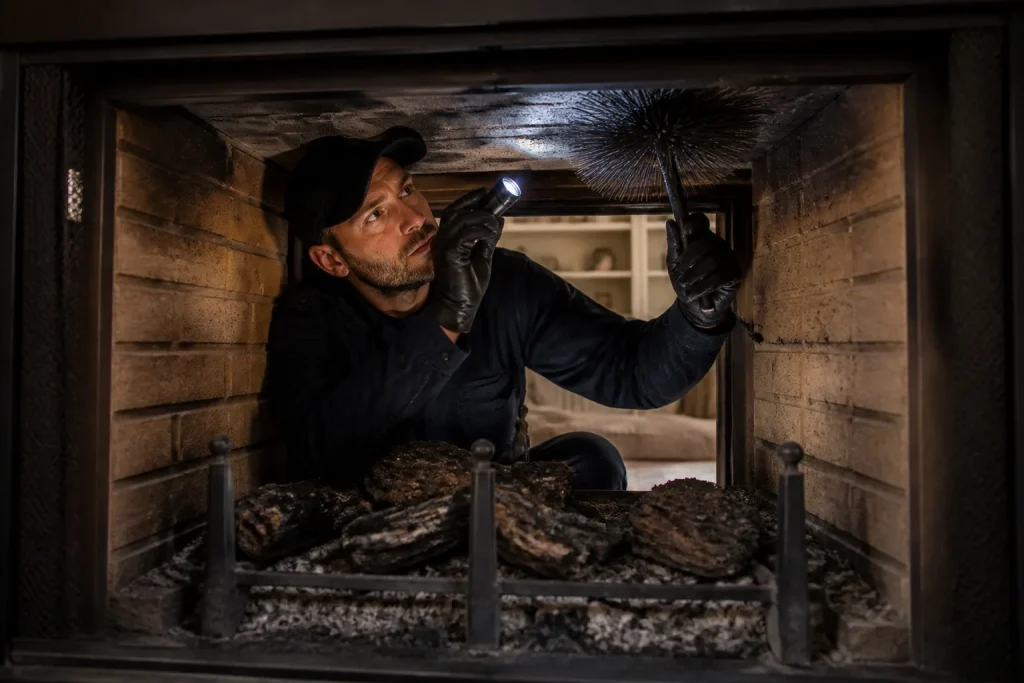
A chimney cap can only do so much. The interior of your chimney, including the flue, needs regular cleaning to remove dangerous creosote buildup and soot. Creosote is a highly flammable tar-like substance that accumulates as a byproduct of burning wood. When left unchecked, it can ignite, leading to devastating chimney fires. Regular chimney sweeping, performed by qualified professionals, is essential for preventing these fires. This service also involves inspecting the entire flue for cracks or blockages that could hinder proper ventilation. We’re passionate about comprehensive home care, much like our dedication to “Green Building Duct Cleaning” principles that ensure a healthier indoor environment.
Dryer Vent Cleaning: A Connected Safety Concern
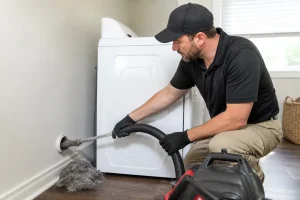
It might seem unrelated, but dryer vent cleaning is a service that shares a similar safety imperative. Clogged dryer vents are a significant fire hazard. Lint, which is highly flammable, builds up in the vent line, creating an obstruction. When the dryer heats up, this lint can easily ignite. Beyond fire risk, a clogged vent reduces dryer efficiency, leading to longer drying times and increased energy consumption. We also apply the same meticulous standards to our “Duct Sealing for Accreditation Services”, ensuring optimal performance and safety in your entire home’s ventilation system.
Our expertise extends to various ventilation systems, not just for residential fireplaces. We understand the unique HVAC challenges in commercial spaces, offering services like “Retail Space HVAC Cleaning” to ensure optimal air quality and safety. This broad understanding of airflow and ventilation is why our Duct Duct Ccleaning LLC in Dallas and Duct Duct Ccleaning LLC in New York operations are just as comprehensive. Even far away, our commitment to quality air and safety remains consistent, just like our service in Duct Duct Ccleaning LLC in Chicago.
We aim to provide thorough service, ensuring that every aspect of your home’s ventilation and heating-related systems is functioning at its best and safest. So, while you might initially call us for a chimney cap inspection, remember that we offer a comprehensive suite of services to protect your Cherry Hill home. Don’t hesitate to ask us about our full range of chimney services, including sweeping and flue inspection, and of course, our expert dryer vent cleaning. If you have questions about your air ducts, we can help with that too. Remember our phone number for any of your needs: (609) 507-0043.
Frequently Asked Questions About Chimney Cap Inspections
We understand you might have questions. Here are some common inquiries we receive regarding chimney cap inspections and related services:
Q1: How often should I get my chimney cap inspected?
A: We recommend a professional chimney cap inspection at least once a year, ideally in the spring or early summer after the winter season has passed and before the heavy use of the fireplace begins. However, if you notice any visible damage, signs of pest activity, or experience unusual chimney performance, it’s best to schedule an inspection sooner.
Q2: Can I clean my chimney cap myself?
A: For minor debris removal, yes, you might be able to gently brush away leaves or twigs if you can safely access the cap. However, for a thorough inspection of its structural integrity, mesh condition, and secure attachment, professional assessment is crucial. Attempting to clean a chimney cap with extensive buildup or on a steep roof can be dangerous without proper safety equipment and training.
Q3: What is the lifespan of a chimney cap?
A: The lifespan of a chimney cap varies depending on the material and the quality of installation. High-quality stainless steel or copper caps can last 20 years or more, while less durable materials or those in harsh environments might need replacement sooner, typically within 10-15 years.
Q4: What is creosote, and how does it form?
A: Creosote is a black, tar-like residue that forms when wood smoke, moisture, and unburned particles combine within your chimney. It adheres to the flue lining and is highly flammable, posing a significant fire risk. The amount of creosote buildup depends on the type of wood burned, the efficiency of your fireplace, and the frequency of use.
Q5: What are the signs that my dryer vent needs cleaning?
A: Common signs include clothes taking longer than usual to dry, the dryer unit feeling excessively hot to the touch, a burning smell when the dryer is running, and lint accumulating around the dryer door or in the laundry room.
Q6: Is carbon monoxide poisoning from chimneys a common issue in Cherry Hill?
A: Carbon monoxide poisoning is a risk associated with any fuel-burning appliance, including fireplaces, if they are not properly vented. Issues like blocked flues, damaged chimney caps causing downdrafts, or incomplete combustion can lead to carbon monoxide buildup. Regular chimney inspections and sweeping are essential preventative measures for all homeowners, including those in Cherry Hill.
Don’t wait for a problem to become a crisis. A functional and well-maintained chimney cap is a critical component of your home’s safety and structural integrity. If you’re a homeowner in Cherry Hill, NJ, and you haven’t had your chimney cap inspected recently, or if you suspect any issues with your chimney, fireplace, or dryer vents, it’s time to call the experts. Our team at Duct Duct Ccleaning LLC is ready to provide you with peace of mind and ensure your home is protected. Reach out to us today for a comprehensive inspection and all your chimney service needs. Call us at (609) 507-0043!