Beyond the Annual Chimney Sweep: Advanced Fireplace Maintenance for Cherry Hill Residents
Beyond the Annual Chimney Sweep: Advanced Fireplace Maintenance for Cherry Hill Residents
The annual chimney sweep is not enough; it’s a myth perpetuated by a bygone era of fireplace use that your modern Cherry Hill home simply cannot afford. While a basic cleaning offers a superficial benefit, it fails to address the myriad of hidden dangers and inefficiencies lurking within your chimney system, particularly as we navigate the diverse weather patterns of South Jersey, from our humid summers that can lead to moisture ingress to the biting cold that makes cozying up by the fire a necessity. True fireplace mastery, ensuring safety, efficiency, and longevity, requires a deeper, more advanced approach that goes far beyond a yearly brush-down.
Learn more about our “Duct Sealing for Garage Construction”, services in your area.
Learn more about our “Duct Sealing for Renewable Energy”, services in your area.
The Perils of Complacency: What the Standard Sweep Misses
Most homeowners in Cherry Hill believe that a single annual cleaning is the ultimate defense against chimney fires and carbon monoxide leaks. This is a dangerous misconception. A standard sweep typically involves removing the most obvious creosote buildup from the flue. However, it often overlooks critical structural integrity issues, hidden blockages, and subtle signs of deterioration that can escalate into serious problems. Imagine a doctor giving you a cursory glance and declaring you healthy; it’s the same with your chimney. The real threats are often insidious.
Deconstructing the Standard Sweep: Limitations and Risks
A typical sweep, performed with a rotary brush or chimney brush, focuses primarily on removing soot and creosote from the interior walls of the flue. While this is a necessary step, it is merely a symptom-management technique. The underlying causes of excessive buildup, or the potential for future problems, are frequently ignored. Consider this: if your dentist only polishes your teeth without checking for cavities or gum disease, are you truly receiving comprehensive dental care? No. Similarly, an incomplete chimney service leaves you vulnerable.
- Structural Integrity: Cracks in the flue liner, loose masonry in the chimney structure, or a damaged damper are often missed during a superficial inspection. These issues can allow heat and toxic gases to escape into your home’s attic or wall cavities, posing a significant fire risk and health hazard.
- Creosote Variations: Not all creosote is created equal. While a standard sweep removes flaky or powdery creosote, it may not effectively deal with glazed or hardened creosote, which is far more flammable and difficult to remove.
- Blockages: Nests built by birds (a common occurrence in South Jersey), fallen leaves, or debris can create partial or complete blockages. While a visual inspection might catch obvious obstructions, a thorough sweep won’t necessarily dislodge or identify them, potentially leading to dangerous smoke backdrafts.
- Damper Malfunction: The damper plays a crucial role in regulating airflow and preventing heat loss when the fireplace is not in use. A damaged or improperly functioning damper can lead to significant energy inefficiency and safety concerns.
The Advanced Maintenance Blueprint: A Multi-Faceted Approach
Moving beyond the annual sweep means adopting a proactive and comprehensive maintenance strategy. This involves a detailed inspection, targeted cleaning techniques, and necessary repairs performed by trained professionals. At Duct Duct Ccleaning LLC, we advocate for an approach that mirrors the precision and foresight you’d expect from any critical home system service.
I. The Deep Dive Inspection: Uncovering Hidden Threats
An advanced maintenance protocol begins with an exhaustive inspection, utilizing specialized tools and expertise. This isn’t just a visual check; it’s a forensic examination of your entire chimney system.
The Chimney Camera Inspection: Seeing What the Naked Eye Cannot
A professional chimney camera inspection is the cornerstone of advanced maintenance. This high-definition camera is fed through the flue, providing a crystal-clear, real-time video of the internal chimney walls. This allows technicians to identify:
- Micro-cracks and hairline fractures: Often invisible to the naked eye, these can be conduits for heat and gas leakage.
- Flue liner deterioration: Identifying spalling, erosion, or damage to clay tiles or metal liners.
- Internal obstructions: Pinpointing the exact location and nature of blockages, even those deep within the system.
- Creosote formation patterns: Understanding the type and density of creosote can inform the most effective cleaning strategy.
For homeowners in areas like Cherry Hill, where aging homes are common and may have older chimney constructions, a camera inspection is non-negotiable. It’s the difference between hoping for the best and knowing your chimney is truly safe. We recommend this type of inspection be conducted every few years, or after any suspected incident such as a chimney fire or significant storm.
Structural Masonry and Hearth Assessment
Beyond the flue, the external structure of the chimney and the hearth require rigorous examination. This includes checking for:
- Mortar joint deterioration: Crumbling mortar can compromise the structural integrity of the entire chimney.
- Damaged flashing: Improperly sealed flashing at the roofline is a common cause of water leaks into your home, which can accelerate masonry damage and lead to mold growth.
- Loose or missing bricks: Especially pertinent after harsh winters with freeze-thaw cycles, which are common in Cherry Hill.
- Hearth stability and condition: Ensuring the hearth is intact and capable of containing errant sparks.
The Damper’s Dignity: Functional and Safety Checks
The damper is the silent guardian of your fireplace when it’s not in use. Advanced maintenance involves ensuring it:
- Seals completely: A proper seal prevents significant heat loss during cooler months and stops cold drafts from entering your home.
- Operates smoothly: Sticking or rusted dampers can be difficult to open, hindering proper ventilation during use.
- Is free from obstructions: Ensuring nothing impedes its operation.
A malfunctioning damper not only impacts energy efficiency but can also compromise safety by allowing smoke to escape into the room instead of up the flue. For a robust fireplace system, you need to consider all its components, from the flue liner to the damper mechanism. This holistic approach is what sets advanced chimney maintenance apart from a basic sweep. Duct Duct Ccleaning LLC prioritizes these detailed inspections to ensure comprehensive safety for our Cherry Hill clients.
II. Targeted Cleaning Technologies: Beyond the Brush
Once an inspection reveals specific issues, targeted cleaning methods are employed. A one-size-fits-all approach doesn’t work for the diverse challenges chimneys present.
Rotary Brush Systems for Stubborn Buildup
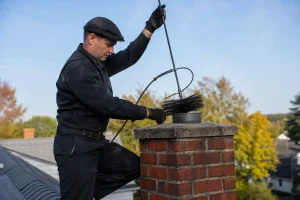
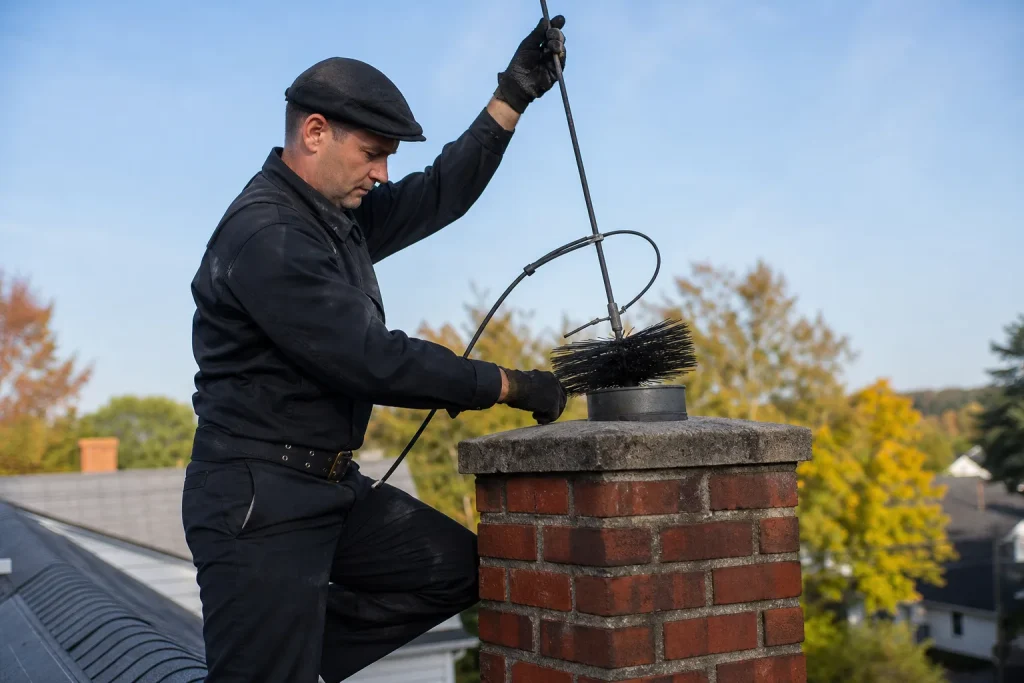
For particularly tough, hardened, or glazed creosote, a standard brush might not suffice. Advanced cleaning often employs powered rotary brush systems. These systems use flexible rods with spinning brushes that are significantly more aggressive in scraping away stubborn creosote deposits, ensuring a cleaner and safer flue.
Power Washing and Chemical Treatments
In severe cases, or for certain types of creosote and blockages, power washing or specialized chemical treatments might be necessary. These methods are used cautiously and only by trained professionals to ensure they don’t damage the flue liner or surrounding masonry.
Specialized Tools for Specific Blockages
Removing animal nests or heavy debris often requires specialized tools such as grabbers, augers, or powerful vacuums designed for chimney cleaning. A standard sweep may not be equipped to handle these particular obstructions effectively.
III. Proactive Repairs and Preventative Measures
Advanced maintenance isn’t just about cleaning; it’s about preventing future problems. This phase focuses on addressing any identified issues before they become serious hazards.
Chimney Liner Repair and Relining
If the inspection reveals significant damage to the flue liner, such as cracks, deterioration, or spalling, repair or relining becomes paramount. A damaged liner is a direct pathway for heat and toxic gases into your home. Options include:
- Patching: For minor cracks or localized damage.
- Metal Liners: Stainless steel liners are highly durable, corrosion-resistant, and suitable for wood-burning or gas appliances.
- Monolithic Liners: A poured-in-place system that creates a seamless, solid liner, offering excellent insulation and structural integrity.
Choosing the right relining system depends on the type of fireplace, fuel source, and the specific damage. This is a critical repair that significantly enhances safety and chimney lifespan, often a necessary upgrade for older homes in Cherry Hill.
Masonry Restoration and Tuckpointing
Deteriorating mortar joints and damaged bricks can compromise the structural integrity and weather resistance of your chimney. Tuckpointing involves removing old, damaged mortar and replacing it with fresh mortar to seal and strengthen the masonry. This is essential for preventing water intrusion and maintaining the chimney’s stability, protecting your investment and preventing costly water damage.
Damper Upgrades and Replacements
A faulty damper can be a significant source of energy loss and a safety concern. Advanced maintenance may involve repairing or replacing the damper with a more efficient model, such as a top-sealing damper. These dampers provide a tighter seal, preventing drafts and heat loss more effectively than traditional throat dampers.
Chimney Cap and Crown Maintenance
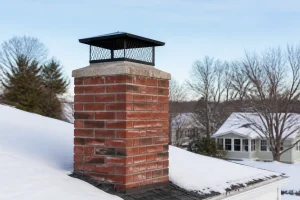
The chimney cap and crown are crucial protective elements. The cap prevents rain, snow, and debris from entering the flue, while the crown (the concrete slab at the top of the chimney) seals the top of the flue and directs water away from the masonry. Advanced maintenance includes inspecting these components for cracks, damage, or missing sections, and performing necessary repairs to ensure proper functionality and longevity.
IV. The Dryer Vent Connection: A Crucial Partner in Home Safety
While often overlooked in discussions about fireplace maintenance, dryer vent cleaning is an equally vital component of home safety and efficiency, especially when it comes to preventing fires. The lint generated by your dryer is highly flammable, and a clogged vent creates a perfect storm for combustion. This is a serious concern for every homeowner in Cherry Hill, where families rely on their appliances daily.
The Hidden Fire Hazard of Lint Accumulation
Over time, lint accumulates not just in the dryer’s lint trap but also within the dryer vent hose and the ductwork leading to the outside. This buildup restricts airflow, forcing the dryer to work harder and increasing temperatures. The excessive heat, combined with the flammable lint, can easily ignite, leading to a devastating house fire. The National Fire Protection Association (NFPA) reports that clothes dryers are a leading cause of household fires, with faulty vents being a primary culprit.
Signs of a Clogged Dryer Vent
Recognizing the signs of a clogged dryer vent is critical for preventing this hazard:
- Clothes taking longer to dry: This is the most common indicator of restricted airflow.
- The dryer exterior feeling excessively hot: The appliance is working harder to push air through the clog.
- A burning smell during operation: This could indicate overheating components or burning lint.
- Visible lint buildup around the dryer or vent exterior: Lint escaping the system suggests a significant blockage.
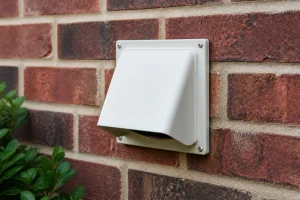
- The vent hood flap not opening fully or at all: This indicates insufficient airflow exiting the dryer.
Addressing dryer vent issues proactively is just as important as maintaining your chimney. Both contribute significantly to preventing fires and ensuring the healthy operation of your home. This dual focus is a hallmark of comprehensive home safety, and services like those offered by Duct Duct Ccleaning LLC are essential for covering these bases. Just as we’re meticulous about your chimney, we’re equally diligent about your dryer vents, recognizing the shared fire risk they present.
V. Investing in Professional Expertise: Why DIY Falls Short
The complexities of modern chimney systems and the potential for serious damage mean that attempting advanced maintenance yourself is ill-advised. The risks associated with incorrect diagnosis or improper repair can far outweigh any perceived cost savings.
Specialized Tools and Training
Professional chimney technicians undergo extensive training and are equipped with specialized tools—from chimney cameras and rotary brushes to masonry repair kits—that are not readily available to the average homeowner. They understand the intricate workings of different chimney designs and local building codes, ensuring that any work performed is both effective and compliant.
The Cost of Mistakes
A DIY attempt at chimney repair could lead to further structural damage, incorrect diagnosis of problems, or inadequate repairs, all of which can result in expensive professional remediation later. Moreover, improper cleaning might leave behind residual creosote, failing to eliminate the fire risk and potentially leading to a chimney fire, which can result in catastrophic property damage and endanger lives. Similarly, improper dryer vent cleaning can leave hidden lint, negating the effort and leaving the fire hazard intact.
Ensuring Peak Efficiency and Longevity
A professional assessment not only identifies current issues but also provides recommendations for preventative maintenance, helping to extend the lifespan of your chimney and ensure its optimal performance. This proactive approach saves money in the long run by avoiding costly emergency repairs and by improving energy efficiency, particularly important as residents of Cherry Hill look to conserve energy and reduce utility bills. It’s an investment in the safety, comfort, and value of your home.
Frequently Asked Questions About Advanced Chimney Maintenance
Q1: How often should I have a professional camera inspection of my chimney?
While an annual cleaning is recommended, a comprehensive camera inspection is advisable every 2-3 years, or sooner if you notice any unusual performance issues, experience a suspected chimney fire, or have recently purchased a home with an older chimney system. This thorough inspection allows for the early detection of subtle problems that a standard sweep might miss.
Q2: What is glazed creosote, and why is it a concern?
Glazed creosote is a hard, tar-like substance that forms when soot and unburned fuel particles solidify under high heat. It’s significantly more flammable and difficult to remove than powdery creosote. Advanced cleaning methods, such as rotary brushing, are often required to safely and effectively remove it.
Q3: My chimney is showing signs of water damage. What should I do?
Water intrusion is a serious issue that can lead to significant masonry deterioration and mold growth. The first step is to have a professional inspection to identify the source of the leak. This could be faulty flashing, cracks in the chimney crown, or compromised masonry. Prompt repair of these issues is essential to prevent further damage.
Q4: Is it necessary to clean my dryer vent annually, even if I don’t use my dryer very often?
Yes, it is highly recommended to have your dryer vent cleaned annually regardless of usage frequency. Lint can still accumulate over time due to static electricity and the design of the venting system, posing a fire risk. For busy households in Cherry Hill, consistent cleaning is crucial.
Q5: Can I clean my chimney myself?
While basic cleaning of accessible soot might seem feasible, advanced maintenance, which includes detailed inspections with specialized equipment and repairs of structural components, requires professional training, tools, and expertise. Attempting complex repairs or thorough cleaning without proper knowledge can be dangerous and ineffective.
Q6: What is the role of Duct Duct Ccleaning LLC in advanced chimney maintenance?
Duct Duct Ccleaning LLC provides comprehensive chimney services beyond basic cleaning. Our expertise includes detailed camera inspections, targeted cleaning techniques for various creosote types, masonry repairs, flue relining, and chimney cap services. We are dedicated to ensuring the safety and efficiency of your entire chimney system, much like our thorough work with air duct cleaning and dryer vent services across Cherry Hill, NJ. For any inquiry, please reach out to us at (609) 507-0043.
Protecting Your Cherry Hill Home with Advanced Fireplace and Vent Care
Your fireplace and dryer vent are not just amenities; they are integral systems within your home that require vigilant attention. A commitment to advanced maintenance, embracing thorough inspections, targeted cleaning, and proactive repairs, is the most effective way to ensure safety, prevent costly damage, and maintain the comfort and efficiency of your Cherry Hill residence. Don’t let outdated practices leave you vulnerable. For unparalleled expertise in chimney services, air duct cleaning, and dryer vent cleaning, trust the professionals dedicated to your home’s well-being.
For a comprehensive assessment and advanced maintenance of your chimney, air ducts, and dryer vents, contact Duct Duct Ccleaning LLC today. We are Cherry Hill’s trusted experts in home safety and efficiency. Call us now at (609) 507-0043 to schedule your appointment and ensure peace of mind.