The Subtle Signs Your Cherry Hill Dryer Vent Needs Immediate Professional Attention
For centuries, humans have sought to harness the power of fire for warmth and sustenance. From the ancient hearths of early settlements to the sophisticated fireplaces gracing modern Cherry Hill homes, the chimney has stood as a silent, yet vital, sentinel. Originally a simple opening in a roof, the chimney evolved into an intricate system of stone, brick, and mortar designed to safely channel smoke and gases away from living spaces. Its counterpart, the clothes dryer, a marvel of modern convenience born from the desire to speed up domestic chores, also relies on a seemingly simple, yet often overlooked, ventilation system: the dryer vent. While the chimney’s role in safety and home comfort is widely understood, the humble dryer vent, responsible for expelling moist, lint-filled air, carries its own set of critical demands, demands that, when ignored, can lead to surprisingly significant issues right here in our beautiful Cherry Hill community.
The Unsung Hero: Understanding Your Dryer Vent
Think about it. Every load of laundry you toss into your dryer – your towels after a refreshing dip in the community pool, your kids’ sports uniforms after a game at Cherry Hill East, or even just your everyday garments – generates a substantial amount of moisture and, critically, lint. The dryer’s primary function is to remove this moisture through heated air, and that hot, humid, lint-laden air needs a clear, unobstructed path to the outdoors. This path is your dryer vent, a crucial component that often becomes a forgotten player in the symphony of a well-functioning home. Without it, your dryer would simply recirculate moist air, leading to a host of problems far beyond just damp clothes. It’s this vital, often hidden, channel that we, at Duct Duct Ccleaning LLC, understand intimately. We’ve seen firsthand how a seemingly minor obstruction in a Cherry Hill dryer vent can escalate into something much more concerning, impacting not just your home’s efficiency but its very safety.
From Simple Ducts to Essential Channels
The evolution of the dryer vent mirrors the evolution of the dryer itself. Early dryers were essentially vents that channeled the hot air directly outside with minimal filtration. As dryers became more efficient and appliance standards evolved, so too did the vent systems. Modern dryer vents are designed to efficiently carry the expelled air, along with flammable lint particles, away from the appliance and your home’s structure. The typical dryer vent installation involves a flexible or rigid duct, often made of aluminum or plastic, connecting the back of the dryer to an exterior vent cap. The design is simple, but the material is where potential issues can begin to fester. Over time, this pathway can become choked with lint, not only hindering performance but creating a significant fire hazard. It’s this very hazard that prompts many of our neighbors in Cherry Hill to call us, seeking peace of mind and a solution to a problem they might not even realize they have.
Subtle Signs: The Whispers of a Clogged Dryer Vent
The real danger with dryer vents isn’t usually a sudden, catastrophic failure, but rather a gradual buildup of issues that manifest in subtle, often overlooked, ways. Recognizing these early warning signs is crucial for preventing more serious problems, and that’s where our expertise at Duct Duct Ccleaning LLC comes into play. We’ve compiled a list of the most common, yet frequently dismissed, indicators that your Cherry Hill dryer vent is crying out for professional attention. Ignoring these could be more detrimental than you might imagine.
The Persistent Dampness
One of the most direct indicators that your dryer vent is compromised is clothing that remains damp after a full drying cycle. You might find yourself adding extra minutes to the timer, running the dryer a second time, or simply accepting a slightly less-than-dry load as the new normal. This isn’t normal. It’s a direct consequence of your dryer not being able to expel moist air effectively. The heat within the dryer cavity is being trapped, much like it would be if your dryer was simply in an enclosed space. Imagine trying to dry clothes in a small, unventilated bathroom – it would take an eternity. Your dryer is facing a similar, albeit less extreme, challenge when its vent is blocked. This inefficiency also leads to increased energy consumption, an added burden on your utility bills, a concern we hear often from homeowners in the Pennsauken and Voorhees areas, which share our climate and home construction styles.
The Lingering Heat
Beyond damp clothes, you might notice that the clothes themselves feel unusually hot to the touch when you remove them from the dryer, or that the dryer drum remains significantly hotter than usual even after the cycle has finished. This is a clear sign of heat buildup. When the hot air can’t escape efficiently, it recirculates within the dryer and vent system, leading to dangerously high temperatures. This can not only damage your clothing but, more importantly, pose a serious fire risk, as accumulated lint is highly flammable. Think of it like a car’s radiator system failing – the engine overheats because it can’t dissipate heat effectively. Your dryer’s vent is its critical exhaust system.
The Unusual Odor
Have you noticed a musty or burnt odor emanating from your laundry room, or even from your clothes after they’ve been dried? This is a classic sign of a clogged dryer vent. The trapped moisture creates an environment conducive to mold and mildew growth within the vent duct. Additionally, the excessive heat generated by the restricted airflow can cause the dryer’s internal components and the lint itself to scorch, leading to a distinct burnt smell. This isn’t just an unpleasant aroma; it’s a warning of potential mold infestation and an elevated fire hazard. For many of our clients in Cherry Hill, this particular sign is the one that finally prompts them to investigate further, often leading them directly to our services at Duct Duct Ccleaning LLC.
The Slowed Cycle Time
If you’ve observed that your drying cycles are taking noticeably longer than they used to, even for smaller loads, this is another strong indicator of a blocked vent. The dryer has to work much harder and for a longer duration to evaporate the moisture when the air exchange is poor. This isn’t just an inconvenience; it translates into increased wear and tear on your dryer’s components, potentially leading to premature appliance failure and costly repairs. In an era where energy efficiency is paramount, this prolonged operational time also significantly impacts your electricity bills. Some of our customers in the more established neighborhoods of Cherry Hill, with older vent systems, find this gradual increase in cycle time to be the first clue they encounter.
The Unexplained Lint Buildup
This might seem counterintuitive, but excessive lint buildup *outside* the dryer, around the vent opening or even on the floor of your laundry room, can be a sign of a clogged internal vent. When the vent is blocked, lint can be forced back out through the seams of the dryer or even pushed through the exterior vent cap if the pressure is high enough. A properly functioning dryer vent will expel most lint through the exterior vent cap, where it might accumulate slightly in a dryer trap, but significant amounts of lint escaping into your laundry room are a red flag. It suggests the primary path is obstructed, and the lint is finding alternative, and often less desirable, routes.
The Exterior Vent Cap Conundrum
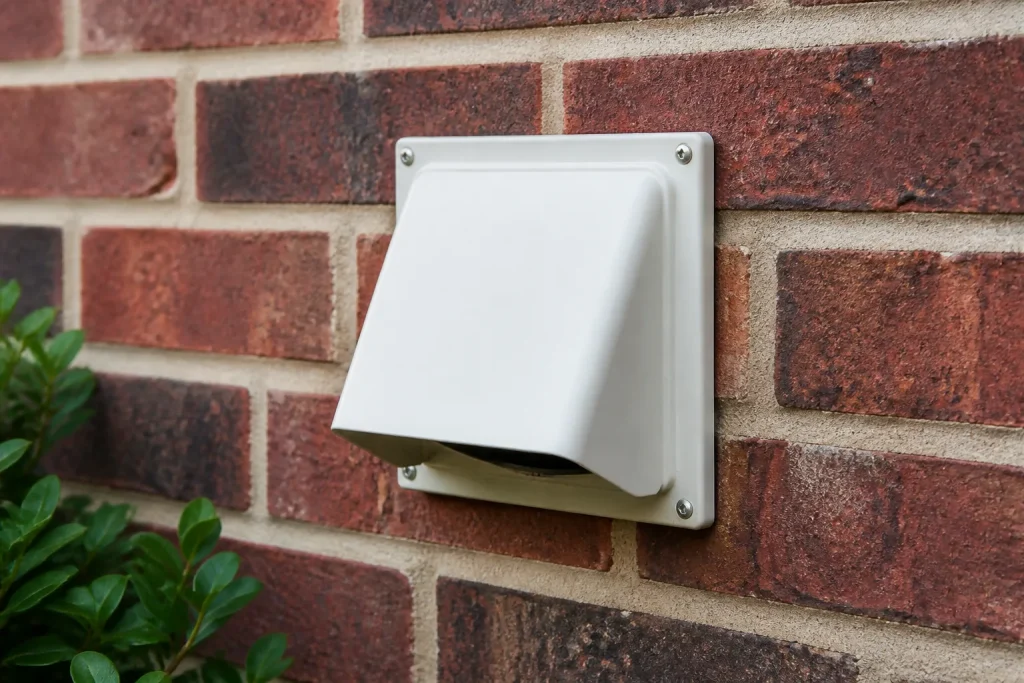
Take a moment to inspect the exterior vent cap on your home. Is it functioning as it should? If you notice that the flap or louvers on the vent cap aren’t opening properly when the dryer is running, or if they are caked with lint, this is a direct indication of a blockage within the vent line. Similarly, if you see a significant accumulation of lint around the vent cap itself, it suggests that airflow is so restricted that lint is being expelled but not effectively dispersed. We often find that these exterior caps can become a focal point for lint and debris accumulation, especially after strong winds or during seasons when outdoor debris is prevalent in Cherry Hill.
The Dryer Itself Becomes Overheated
This is a critical sign. If your dryer’s exterior surfaces feel unusually hot to the touch, or if you can feel excessive heat radiating from the back of the appliance, it’s a strong indicator that heat is not being properly exhausted. This level of heat buildup is not only a major fire hazard but can also cause significant damage to the dryer’s internal components, leading to costly repairs or premature replacement. Think of it as the smoke detector going off in your house – it’s a loud and clear warning that something is fundamentally wrong with the system. While we primarily focus on air duct cleaning and chimney services, recognizing these critical signs of dryer vent issues is paramount for the safety of our Cherry Hill neighbors. Our sister company, Duct Duct Cleaning LLC in Cherry Hill, NJ, sees similar issues stemming from poorly maintained ventilation, highlighting the universal nature of these home maintenance needs. This issue can be as critical as a poorly maintained chimney, which is why professional Duct Duct Ccleaning LLC in Houston is so vital, and why ensuring your dryer vent is clear is just as important.
The Risks: More Than Just Inconvenience
It’s easy to dismiss these subtle signs as minor annoyances, but the reality is that a neglected dryer vent poses significant risks that extend far beyond a slight increase in your energy bill or slightly damp clothes. Understanding these potential dangers is key to prioritizing this essential home maintenance task. The consequences can be severe and, unfortunately, quite common in areas with similar climate and home construction to Cherry Hill.
The Fire Hazard: A Flammable Nightmare
The most significant and alarming risk associated with a clogged dryer vent is the potential for a house fire. Lint is a highly flammable material, composed of natural fibers from your clothing that accumulate exponentially within the vent system. When this highly combustible material is trapped in close proximity to the dryer’s heating element, which operates at high temperatures, the risk of ignition is substantial. According to the U.S. Fire Administration, clothes dryers are responsible for approximately 13,000 home fires each year, with a significant percentage of these fires being attributed to lint buildup in the dryer vent. This statistic is stark and underscores why professional attention is not just recommended, but often essential. Imagine the dry, autumnal air we experience here in Cherry Hill; a stray spark in a clogged vent in those conditions could be devastating.
The Carbon Monoxide Threat (Indirectly)
While dryers are electric and do not produce carbon monoxide, a severely blocked dryer vent can, in some circumstances, indirectly contribute to CO issues. If your home also has gas appliances that vent through the same general area or if a gas dryer is present, a heavily obstructed exhaust system for any appliance can lead to the backflow of combustion gases, including carbon monoxide, into the living space. Although primarily associated with furnaces and fireplaces, ensuring all ventilation systems are clear is part of a comprehensive home safety strategy. This is why our expertise extends to ensuring all aspects of your home’s air quality and ventilation are properly managed, much like the professionals at Duct Duct Ccleaning LLC in Dallas ensure chimney systems are free of hazards.
Diminished Appliance Lifespan and Efficiency
As mentioned, a clogged dryer vent forces your dryer to work harder and longer to achieve the desired dryness. This increased strain on the motor, heating element, and other components can lead to premature wear and tear, significantly reducing the lifespan of your appliance. Furthermore, this inefficiency translates directly into higher energy consumption, a burden on both your wallet and the environment. Over time, the cost of increased energy bills and potential repairs can far outweigh the cost of a professional dryer vent cleaning. It’s an investment in your appliance and your home’s overall efficiency.
The Compromised Indoor Air Quality
When moist air, lint particles, and potential mold spores are trapped within your dryer vent, they can eventually find their way back into your home, impacting your indoor air quality. This can exacerbate allergies, trigger respiratory issues, and contribute to a generally less healthy living environment for your family. The air you breathe inside your home should be clean and fresh, and a compromised dryer vent system can significantly detract from that goal. This is particularly concerning for families with young children or individuals with existing respiratory conditions.
Why Professional Intervention is Key for Cherry Hill Homes
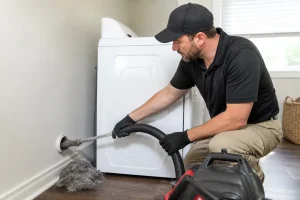
While it might seem like a task you could tackle yourself with a brush and some determination, dryer vent cleaning is a more complex undertaking than it appears. Professional intervention offers a level of thoroughness and safety that DIY attempts often miss, especially for homes in Cherry Hill with their unique architectural styles and common vent configurations. The professionals at Duct Duct Ccleaning LLC bring specialized tools and expertise to ensure a complete and safe cleaning.
Specialized Tools for a Deeper Clean
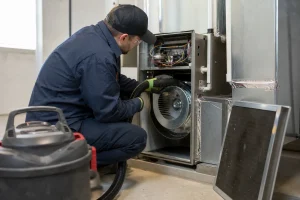
Professional dryer vent cleaning services utilize specialized equipment designed to reach deep into the vent system and effectively remove accumulated lint and debris. This includes powerful vacuum systems, long flexible brushes, and rotary cleaning tools that can dislodge stubborn blockages that a simple manual brush might miss. Our technicians are trained to navigate the intricate paths of various dryer vent configurations, ensuring no corner is left untouched. This is particularly important in older homes where vent lines might have more bends or transitions, creating more opportunities for lint to snag.
Identifying and Addressing Hidden Issues
Beyond just removing lint, our technicians are trained to identify potential issues within your dryer vent system that might not be immediately apparent. This can include damaged ductwork, loose connections, improperly installed vents, or vent caps that are not functioning correctly. Early detection of these problems can prevent more serious issues, such as leaks or further damage, down the line. We can also advise on upgrades, such as replacing brittle plastic vents with more durable aluminum or rigid metal ducts, a common recommendation for homes in our area that have older, potentially hazardous materials.
Safety and Peace of Mind
The primary benefit of professional dryer vent cleaning is the peace of mind that comes with knowing the job has been done thoroughly and safely. Eliminating the significant fire hazard and ensuring optimal appliance performance allows you to use your dryer with confidence. For families in Cherry Hill, where we often experience humid summers and dry winters, ensuring a well-functioning vent is crucial for both comfort and safety. If you’re contemplating needing Duct Liner Replacement or are concerned about your overall air quality, understanding the role of a clean dryer vent is a critical first step.
Frequently Asked Questions About Dryer Vent Maintenance
Q1: How often should I have my dryer vent professionally cleaned?
A1: The general recommendation is to have your dryer vent professionally cleaned at least once a year. However, if you have a large family, do a lot of laundry, or have pets that shed excessively, you may need more frequent cleanings, perhaps every six months. For those living in older Cherry Hill homes or with pets, annual check-ups are highly advisable.
Q2: Can I clean my dryer vent myself?
A2: You can perform a basic cleaning of the accessible parts of your dryer vent, such as removing lint from the trap and cleaning the exterior vent cap. However, to thoroughly clean the entire length of the vent line, especially the areas deep within walls or crawl spaces, specialized tools and expertise are required, which is why professional cleaning by Duct Duct Ccleaning LLC is recommended.
Q3: What are the signs that my dryer vent is a fire hazard?
A3: Key indicators include clothes taking longer to dry, clothes feeling excessively hot after a cycle, a burning smell from the dryer or laundry room, excessive lint buildup around the dryer or vent, and the dryer itself overheating. If you notice any of these, it’s crucial to address it immediately.
Q4: My dryer seems to be working fine, do I still need to clean the vent?
A4: While your dryer might seem to be functioning, a partially clogged vent can still pose a significant fire risk and lead to decreased efficiency and increased energy costs. The subtle signs of reduced airflow often precede noticeable performance issues. Regular professional cleaning ensures your dryer operates at peak safety and efficiency, preventing potential problems before they arise.
Q5: How long does a professional dryer vent cleaning typically take?
A5: The time required for a professional dryer vent cleaning can vary depending on the length and complexity of your vent system. However, it typically takes between 1 and 2 hours for a standard residential cleaning. Our technicians at Duct Duct Ccleaning LLC aim to be efficient while ensuring a thorough job.
Q6: I have a very long vent run for my dryer. Does this make it more susceptible to lint buildup?
A6: Yes, longer vent runs inherently provide more surface area for lint to accumulate and can create more points where airflow might be restricted. These longer runs often require more specialized equipment to clean effectively, making professional service essential. We have the tools to handle complex vent configurations, similar to the challenges faced in ensuring proper Duct Sealing for Distance Learning environments to maintain consistent air quality.
Q7: My dryer is gas-powered. Are there additional risks with a clogged vent?
A7: For gas dryers, a severely clogged vent can increase the risk of carbon monoxide buildup. When a gas dryer struggles to expel combustion byproducts due to a blocked vent, these gases can potentially back up into your home. This is why regular inspection and cleaning of dryer vents are even more critical for gas appliances, in addition to the fire risk common to both electric and gas models.
Don’t Wait for a Warning — Act Proactively!
The subtle signs we’ve discussed – longer drying times, damp clothes, unusual heat or odors, and lint buildup – are your dryer vent’s way of telling you it needs attention. Ignoring these whispers can lead to costly repairs, decreased home efficiency, and, most importantly, a significant fire hazard. For residents of Cherry Hill, NJ, maintaining a safe and efficient home is paramount, and your dryer vent plays a crucial role in that safety equation. Don’t let a clogged vent put your home and family at risk. At Duct Duct Ccleaning LLC, we understand the importance of a well-functioning ventilation system for both your appliances and your peace of mind.
Ensure your home is protected and your laundry routine is efficient. If you suspect your dryer vent needs professional attention, or if it’s simply been a while since its last cleaning, it’s time to call the experts. Reach out to Duct Duct Ccleaning LLC today at (609) 507-00