The Real Cost of Neglecting Your Cherry Hill Chimney: Beyond Just Soot
Ignoring your Cherry Hill chimney is a financial ticking time bomb, and the damage extends far beyond a little soot.
Many homeowners in Cherry Hill, NJ, view chimney cleaning as a seasonal chore, a mere tidying up after the winter’s fires. They associate the cost with the visible grime and perhaps a minor inconvenience. But this perspective is dangerously myopic. The reality is that neglecting your chimney’s regular professional maintenance is akin to playing Russian roulette with your home’s structural integrity, your family’s health, and your wallet. The “real cost” isn’t just a few dollars spent on a cleaning; it’s the exponentially larger sums you’ll inevitably face down the line for repairs, health issues, and even devastating property loss. Let’s dissect this critical oversight, comparing the immediate, manageable cost of proactive care against the catastrophic, life-altering expenses of inaction.
The Immediate Financial Burden: A Fraction of the Future
The Manageable Investment: Routine Chimney Cleaning
Consider the cost of a professional chimney cleaning in Cherry Hill. You’re looking at an average range of $250 to $600, depending on the complexity of your chimney, the extent of the buildup, and the specific services included. This investment is designed to address the most common culprits: creosote, soot, and debris. Creosote, the sticky, tar-like byproduct of burning wood, is highly flammable. Its accumulation can drastically increase the risk of a chimney fire, a sudden and intense blaze that can travel up the chimney flue and ignite surrounding structures. Soot, while less immediately dangerous than creosote, can still contribute to flue blockages and reduce the efficiency of your fireplace, leading to more smoke entering your home.
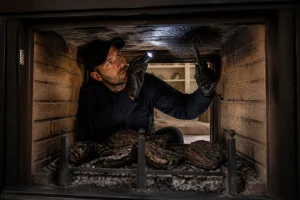
During a routine cleaning, certified professionals like those at Duct Duct Ccleaning LLC will meticulously inspect the flue, remove obstructions (like bird nests or fallen leaves common in the diverse foliage surrounding Cherry Hill’s historic homes), and clear away the dangerous creosote buildup. They also check the damper, firebox, and outer structure for any early signs of wear and tear. This proactive measure is a small price to pay for the peace of mind and the significant reduction in risk it provides. It’s a cost-effective way to ensure your fireplace and chimney operate safely and efficiently, contributing positively to your home’s atmosphere, especially during those chilly South Jersey evenings.
The Escalating Nightmare: Repairing Neglect’s Damage
Now, contrast this manageable expense with the potential costs of neglecting these essential cleanings. When creosote and soot are allowed to build up unchecked, they create a hostile environment within the chimney. This buildup can:
- Cause Chimney Fires: A chimney fire can be incredibly destructive. The intense heat can crack flue tiles, warp metal components, and even ignite nearby wooden structural elements within your walls. The cost of repairing fire damage can range from tens of thousands to hundreds of thousands of dollars, depending on the extent of the blaze. This includes repairing or replacing the chimney structure itself, interior wall damage, roof repairs, and often necessitates extensive restoration work.
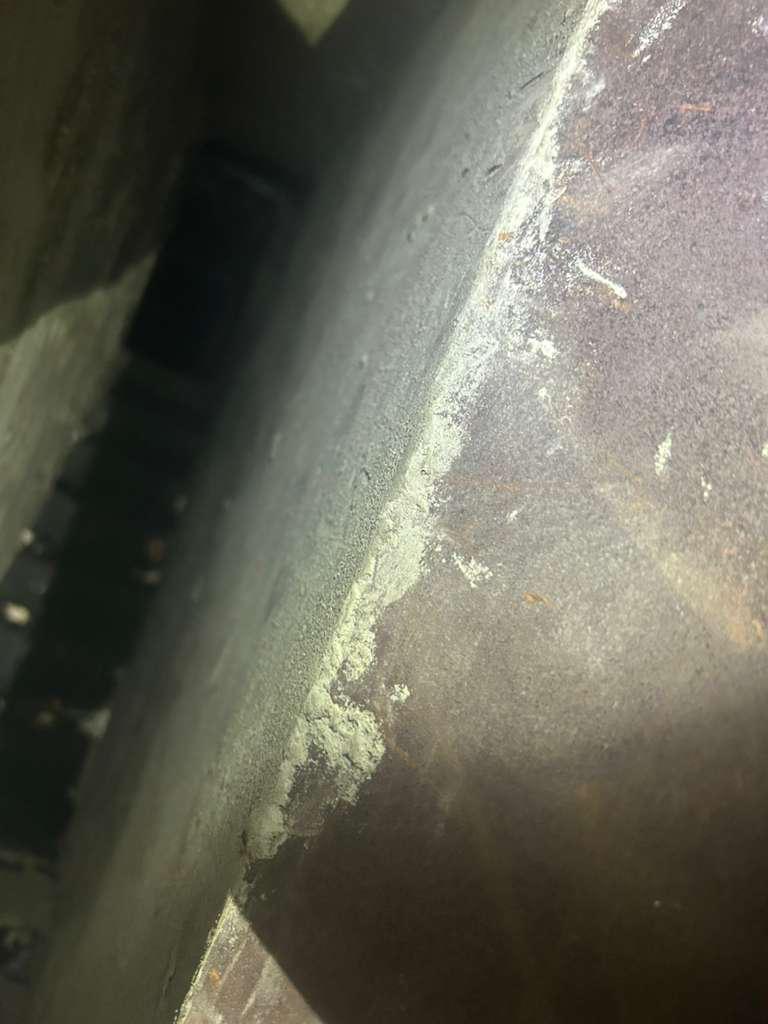
- Lead to Structural Deterioration: Moisture, combined with acidic byproducts from combustion and corrosive creosote, can eat away at the mortar and brickwork of your chimney. Over time, this leads to crumbling mortar joints, cracked bricks, and loose masonry. Ignoring these signs can result in costly structural repairs, including repointing, rebuilding sections of the chimney, or even complete chimney reconstruction. In severe cases, a compromised chimney can become a structural hazard, threatening the entire building.
- Damage the Flue Liner: The flue liner, typically made of clay tiles or metal, is crucial for protecting the chimney’s structure from the intense heat and corrosive byproducts of combustion. Persistent creosote and excessive heat from ignored fires can cause flue tiles to crack and deteriorate, or metal liners to rust and weaken. Replacing a damaged flue liner can be a significant expense, often requiring specialized expertise and substantial labor.
- Cause Water Intrusion: A neglected chimney, especially one with cracks or missing cap flashing, becomes a prime entry point for water. This water can seep into your attic, walls, and basement, leading to mold growth, rot, and significant damage to insulation and structural components. Addressing widespread water damage and its secondary effects, like mold remediation, can be exceptionally costly.
The repair costs associated with these issues rarely fall under a few thousand dollars; they quickly escalate into significant financial burdens, dwarfing the initial cost of regular maintenance. Imagine the financial shock of facing a $15,000 repair bill for a chimney that could have been maintained for a few hundred dollars annually.
The Hidden Health Hazards: More Than Just Allergens
The Immediate Threat: Poor Indoor Air Quality
While not directly related to the chimney’s physical structure, the byproduct of a neglected chimney’s inefficiency directly impacts the air you breathe. When a chimney is not properly cleaned and maintained, smoke and combustion byproducts, including carbon monoxide, can enter your home. Carbon monoxide (CO) is a colorless, odorless gas that is a leading cause of accidental poisoning deaths worldwide. Symptoms of CO poisoning can mimic the flu: headaches, dizziness, nausea, and fatigue. In high concentrations, it can lead to confusion, loss of consciousness, and death.
Beyond carbon monoxide, unburned particles of soot and other volatile organic compounds (VOCs) released from inefficient burning can become airborne within your home. For residents in Cherry Hill, especially those with allergies or respiratory conditions exacerbated by the humid summers and cold winters that encourage indoor living, these particles can worsen symptoms like asthma, coughing, and wheezing. Neglecting your chimney contributes to a less healthy indoor environment for everyone, particularly vulnerable children and the elderly.
The Long-Term Consequences: Chronic Health Issues and Life-Threatening Risks
The persistent presence of these airborne contaminants from an inefficient chimney can contribute to more than just temporary discomfort. Chronic exposure to poor indoor air quality has been linked to:
- Development of Respiratory Illnesses: Long-term exposure to pollutants can contribute to the development of chronic bronchitis, emphysema, and other persistent respiratory problems, even in individuals without pre-existing conditions.
- Increased Severity of Allergies and Asthma: For those already prone to these conditions, constant exposure to irritants from a poorly maintained chimney can lead to more frequent and severe attacks, requiring increased medication and potentially hospitalization.
- Cardiovascular Strain: Studies have shown a correlation between long-term exposure to fine particulate matter (often released from incomplete combustion) and increased risk of heart disease and stroke.
- Carbon Monoxide Poisoning: As mentioned, this is the most immediate and life-threatening risk. Even low-level, chronic exposure can lead to persistent neurological symptoms and reduced cognitive function.
The cost of treating chronic health conditions can be astronomical, involving doctor’s visits, specialized treatments, medication, and lost productivity. While difficult to put a precise dollar figure on a compromised quality of life or a preventable death, the human cost and the associated financial burden on families and healthcare systems are immense and incalculable.
The Fire Hazard: An Unacceptable Risk in Any Neighborhood
The Imminent Danger: The “What If” Scenario
Cherry Hill boasts a beautiful blend of established neighborhoods and newer developments, all sharing the common desire for a safe and secure home. The thought of a fire breaking out within one’s own residence is a homeowner’s worst nightmare. A chimney fire, fueled by accumulated creosote, is a stark and ever-present danger in any home with a fireplace or wood-burning stove that is not regularly cleaned. Statistics from the National Fire Protection Association (NFPA) consistently highlight that heating equipment, including chimneys, is a leading cause of home fires. In the United States, tens of thousands of home fires are attributed to chimney-related issues annually.
Consider the scenario: a cold evening in Cherry Hill, the fire is roaring, creating a cozy atmosphere. Unseen, a thick layer of creosote inside the flue ignites. The flame travels upwards, bypassing the damper and igniting surrounding insulation or wooden framing within the chimney chase. Within minutes, the fire can spread rapidly, consuming your home. The speed at which a chimney fire can escalate is terrifyingly fast, often leaving occupants with mere minutes to escape.
The Devastating Aftermath: Financial Ruin and Loss of Sanctuary
The aftermath of a major house fire, especially one originating from the chimney, is financially and emotionally catastrophic. Home insurance policies will cover a portion of the rebuilding costs, but often, the payout is not enough to cover the full replacement value of a home and its contents, especially considering the increasing costs of construction materials and labor. Furthermore, navigating the insurance claims process can be an exhausting and lengthy ordeal.
Beyond the financial aspect, the loss of one’s home represents the loss of a sanctuary, a repository of memories, and a cornerstone of family life. Rebuilding can take months, even years, forcing families to relocate, disrupting children’s schooling, and causing immense emotional distress. The preventative measure of a chimney cleaning, costing a few hundred dollars, is a stark contrast to the potential loss of everything a family has worked for.
Beyond the Chimney: Systemic Impacts on Your Home’s Efficiency
The Domino Effect: Reduced HVAC Performance
While our focus is the chimney, it’s crucial to understand that a poorly functioning chimney can indirectly impact your home’s overall efficiency, including your HVAC system. When a chimney isn’t drafting properly due to blockages or structural issues, it can lead to “backdrafting.” This is where exhaust gases, including potentially dangerous carbon monoxide, are pushed back into the living space instead of exiting through the flue. This not only compromises air quality but can also affect the air pressure within your home.
A compromised home atmosphere can force your HVAC system to work harder to maintain desired temperatures. For instance, if the chimney is drawing conditioned air out of your home or causing drafts, your heating system will need to expend more energy to compensate. This can translate to higher energy bills throughout the year, particularly during the transitional seasons and colder winter months common in Cherry Hill. Imagine your HVAC system fighting against uncontrolled air infiltration or exfiltration caused by a chimney issue – it’s an inefficient battle.
This is why maintaining all your home’s ventilation systems is paramount. Just as crucial as chimney maintenance is ensuring your HVAC system is clean. Services like “Multi-Zone HVAC Cleaning” are vital for ensuring optimal performance and energy efficiency, working in concert with a properly functioning chimney and ventilation system. The interconnectedness of your home’s environmental controls means that neglecting one component can create ripple effects throughout the entire system.
The Long-Term Energy Drain: Wasted Resources
An inefficient chimney, coupled with an overburdened HVAC system, leads to sustained energy waste. This isn’t just about a slightly higher monthly bill; over years, this waste adds up, representing a significant financial drain. You’re essentially paying for energy that isn’t being used effectively to heat or cool your home, or worse, is being used to push pollutants back inside.
Furthermore, a malfunctioning chimney can impact your ability to monitor and control your home’s internal climate effectively. While not a direct chimney function, the underlying principle of controlled airflow and combustion applies. Technologies like “Temperature Monitoring” systems can help identify temperature inconsistencies in your home, which may sometimes be indirectly related to drafting issues from a neglected chimney impacting overall air balance. The goal is a home that operates efficiently, using resources wisely. A neglected chimney actively works against this goal, increasing your home’s overall energy footprint.
The economic impact of such inefficiencies, compounded over the lifespan of a home, can easily reach thousands, if not tens of thousands, of dollars. This is money literally going up in smoke, or more accurately, being wasted due to a neglected ventilation pathway. Investing in regular professional chimney cleaning is an investment in your home’s long-term energy efficiency and financial well-being.
Don’t Let Neglect Cost You More Than Just Money
The Irreversible Loss: Beyond Financial Repair
While the financial implications of neglecting your Cherry Hill chimney are staggering, it’s imperative to acknowledge that some losses are simply irreparable. The potential for a life-threatening chimney fire, leading to the loss of loved ones or the irreversible damage to irreplaceable heirlooms and memories held within your home, transcends any monetary calculation. The trauma of a fire and the subsequent rebuilding process can leave indelible psychological scars.
Think about the security and comfort you cherish in your Cherry Hill home. That sense of safety is directly linked to the responsible maintenance of its critical components, including the chimney. A neglected chimney is a silent threat, a ticking time bomb that erodes that security with every fire lit. This isn’t a distant threat; it’s a clear and present danger that demands immediate attention.
We’ve seen firsthand the devastating consequences of inaction across different regions. In Pittsburgh, for instance, the older architecture can be particularly susceptible to moisture and structural issues if chimneys aren’t regularly serviced. Similarly, in a bustling city like Cleveland, the sheer volume of heating and cooling usage can put more strain on chimney systems, making consistent maintenance even more critical. Even in South Jersey, where winters are milder than in Pittsburgh or Cleveland, neglecting chimney maintenance in places like Cherry Hill can lead to significant fire hazards.
The Time for Action is NOW: Proactive Prevention is Key
The truth is, the cost of a professional chimney cleaning is negligible compared to the potential costs of ignoring it. This isn’t a sales pitch; it’s a stark warning based on years of experience serving homeowners. The longer you delay, the greater the risk and the higher the potential costs. The services we offer at Duct Duct Ccleaning LLC are designed to be preventative, saving you money and, more importantly, protecting your home and family.
Waiting for visible signs of damage is waiting too long. By the time you see significant damage, the underlying issues have likely been festering for a considerable period, increasing the severity and cost of repairs. A proactive approach, including annual inspections and cleanings, is the most sensible and cost-effective strategy for any homeowner with a fireplace or wood-burning appliance.
Frequently Asked Questions about Chimney Neglect
Q1: How often should I have my chimney professionally cleaned in Cherry Hill?
For optimal safety and efficiency, it is generally recommended to have your chimney inspected and cleaned annually, especially if you use it regularly during the cooler months. This aligns with the typical heating season in Cherry Hill and surrounding areas of South Jersey.
Q2: What are the earliest signs of chimney damage I should look out for?
Keep an eye out for crumbling mortar between bricks, loose or missing bricks, soot or creosote stains on the exterior of your chimney, or excessive smoke in your home when the fireplace is in use. Even small cracks in the flue liner can be indicative of underlying issues.
Q3: Can a neglected chimney really cause a structural problem?
Yes. The constant exposure to heat, moisture, and corrosive byproducts of combustion can weaken the mortar and brickwork over time. If left unaddressed, this can lead to significant structural instability, requiring extensive and costly repairs.
Q4: I only use my fireplace a few times a year. Do I still need professional cleaning?
Even infrequent use can lead to creosote buildup and the potential for obstructions like bird nests. The risk of a chimney fire, while perhaps lower with infrequent use, is still present and can be catastrophic. Annual inspections are recommended regardless of usage frequency.
Q5: Is carbon monoxide poisoning from a chimney a common occurrence?
While not every neglected chimney will cause CO poisoning, the risk is significantly elevated. Carbon monoxide is an odorless, colorless gas produced by incomplete combustion, and a blocked or poorly drafting chimney can allow it to enter your home, posing a severe health hazard.
Q6: What happens if my chimney fire causes damage not covered by my insurance?
Insurance policies have limitations and deductibles. Significant structural damage or extensive fire restoration costs can easily exceed insurance payouts, leaving homeowners responsible for a substantial financial burden. This is why preventative maintenance is so crucial – it mitigates the risk of claims in the first place.
Don’t gamble with the safety and structural integrity of your Cherry Hill home. The real cost of neglecting your chimney is far greater than the price of professional cleaning and maintenance. Act now to protect your investment, your health, and your family. Call Duct Duct Ccleaning LLC today at 8565880352 for a thorough inspection and cleaning. Let us ensure your fireplace is a source of warmth and comfort, not a hidden danger.