Beyond Wood-Burning: Essential Maintenance for Your Gas Fireplace Venting System in Boston
Are you relying on your gas fireplace to keep your Boston home cozy and inviting without truly understanding the silent sentinel guarding your comfort and safety: its venting system?
For many homeowners in Cherry Hill and across the Northeast, including the historic districts and modern high-rises of Boston, a gas fireplace offers the alluring flicker and warmth of a traditional hearth without the mess of wood. It’s convenient, often more energy-efficient, and generally requires less hands-on tending. However, this ease can foster a false sense of security, leading many to overlook a critical component: the venting system. While wood-burning fireplaces demand constant vigilance against creosote buildup and chimney fires, gas fireplaces, though cleaner, come with their own unique set of maintenance imperatives, particularly concerning the safe expulsion of combustion byproducts.
This ultimate guide is designed to transform your understanding of gas fireplace venting. We’ll delve into the intricacies of these systems, illuminate the potential dangers of neglect, and equip you with the knowledge to ensure your gas fireplace operates not just effectively, but safely, for years to come. Think of this as your master class in protecting your home and loved ones from unseen hazards, drawing on expertise honed over years of ensuring clean air and safe operations, much like the commitment to excellence you’d find at Duct Duct Ccleaning LLC in Boston.
Understanding Your Gas Fireplace Venting System
Unlike their wood-burning cousins, gas fireplaces burn fuel far more cleanly, but they still produce exhaust that must be safely evacuated from your living space. This exhaust primarily consists of water vapor, carbon dioxide, and, critically, trace amounts of carbon monoxide – an odorless, colorless, and highly toxic gas. The design of your fireplace’s venting system is paramount to this safe evacuation, influencing both its efficiency and your home’s air quality.
Types of Gas Fireplace Venting Systems
Before diving into maintenance, it’s essential to identify the type of gas fireplace and venting system installed in your home. Each has distinct characteristics and maintenance requirements:
- Direct-Vent Fireplaces: These are among the most popular choices, particularly in newer constructions or renovations across Boston, from the Seaport District to the residential areas of Jamaica Plain. Direct-vent units are completely sealed from your indoor air. They draw combustion air from outside and vent exhaust directly outside through a co-axial (pipe-within-a-pipe) vent system. One pipe supplies fresh air for combustion, while the inner pipe expels exhaust gases. This sealed system is highly efficient and offers superior indoor air quality, making it a favorite for homeowners concerned about drafts or indoor pollution.
- B-Vent (Natural Vent) Fireplaces: These gas fireplaces resemble traditional wood-burning units, often installed within existing masonry chimneys or requiring a dedicated B-vent pipe. They draw combustion air from within the room itself and vent exhaust gases upwards through a single-wall or double-wall metal flue. A crucial component here is the draft hood, which helps regulate the flow of combustion air and exhaust. Because they draw indoor air, they are less efficient than direct-vent systems and can contribute to indoor air depressurization if not properly managed. This type is common in older Boston homes where existing chimney structures are adapted for gas.
- Vent-Free (Ventless) Fireplaces: While not technically having a “venting system” in the traditional sense, these units burn gas with such high efficiency that they are designed to release combustion byproducts directly into the room. They use oxygen depletion sensors (ODS) as a safety mechanism. While convenient, their use is often restricted by local building codes due to concerns about indoor air quality, moisture buildup, and potential for CO accumulation, especially in tightly sealed Boston homes. It is imperative to check local regulations before considering or operating a vent-free unit.
Key Components of a Gas Venting System
Regardless of the type, several components work in concert to ensure safe operation:
- Flue Pipe/Vent Pipe: This is the conduit that carries exhaust gases from the fireplace to the outside. Its material, diameter, and insulation depend heavily on the fireplace type and fuel. For direct-vent systems, it’s a specialized co-axial pipe. For B-vent systems, it’s typically a metal pipe.
- Termination Cap: Located at the very top of the vent pipe, typically on the roof, the termination cap prevents rain, snow, debris, and animals (a common issue in urban environments like Boston, with its active squirrel and bird populations) from entering the venting system. It also plays a role in proper draft.
- Draft Hood (for B-Vent Systems): This device, usually located above the fireplace appliance, is designed to stabilize the draft in the chimney and prevent downdrafts from affecting combustion.
- Connectors and Seals: These ensure airtight connections between different sections of the vent pipe and between the pipe and the fireplace unit itself, crucial for preventing gas leaks or backdrafts.
Understanding these fundamental elements is the first step towards appreciating why diligent maintenance is not just a recommendation, but a critical safeguard for your household. The structural integrity of your venting system is just as crucial as ensuring the proper functionality of your home’s general ductwork, where a professional would emphasize “Duct Sealing for Customer Service”, to maintain system efficiency and safety.
The Silent Dangers: Why Neglecting Your Venting System is Risky
The allure of a gas fireplace can be deceptive. While there’s no soot-laden chimney to sweep annually like a wood-burning one, the risks associated with a neglected gas venting system are arguably more insidious, posing invisible threats that can have severe consequences for residents in neighborhoods like Beacon Hill, Back Bay, and beyond.
Carbon Monoxide (CO): The Invisible Killer
This is perhaps the most significant and well-known hazard. Carbon monoxide is a byproduct of incomplete combustion. A properly functioning gas fireplace and venting system should expel CO safely outside. However, if the vent is blocked, damaged, or improperly installed, CO can backdraft into your home. The danger lies in its nature: it’s odorless, colorless, and tasteless, making it undetectable without a specialized device.
The Mechanism of Harm: When inhaled, CO binds with hemoglobin in your blood 200-250 times more readily than oxygen, effectively suffocating your body’s cells. Symptoms are often mistaken for the flu: headaches, nausea, dizziness, fatigue, and confusion. Prolonged exposure, or exposure to high concentrations, can lead to brain damage, cardiac arrest, and death. According to the Centers for Disease Control and Prevention (CDC), accidental CO poisoning causes thousands of emergency room visits and hundreds of deaths annually in the U.S. Installing and regularly testing CO detectors on every level of your home, especially near sleeping areas, is non-negotiable for anyone with a gas fireplace.
Moisture Buildup and Related Damages
Gas combustion produces a significant amount of water vapor. A typical gas fireplace operating for an hour can generate several gallons of water. In a properly vented system, this vapor is expelled outside. If the venting is inadequate, blocked, or damaged, this moisture can condense within the chimney or vent pipe. This leads to several problems:
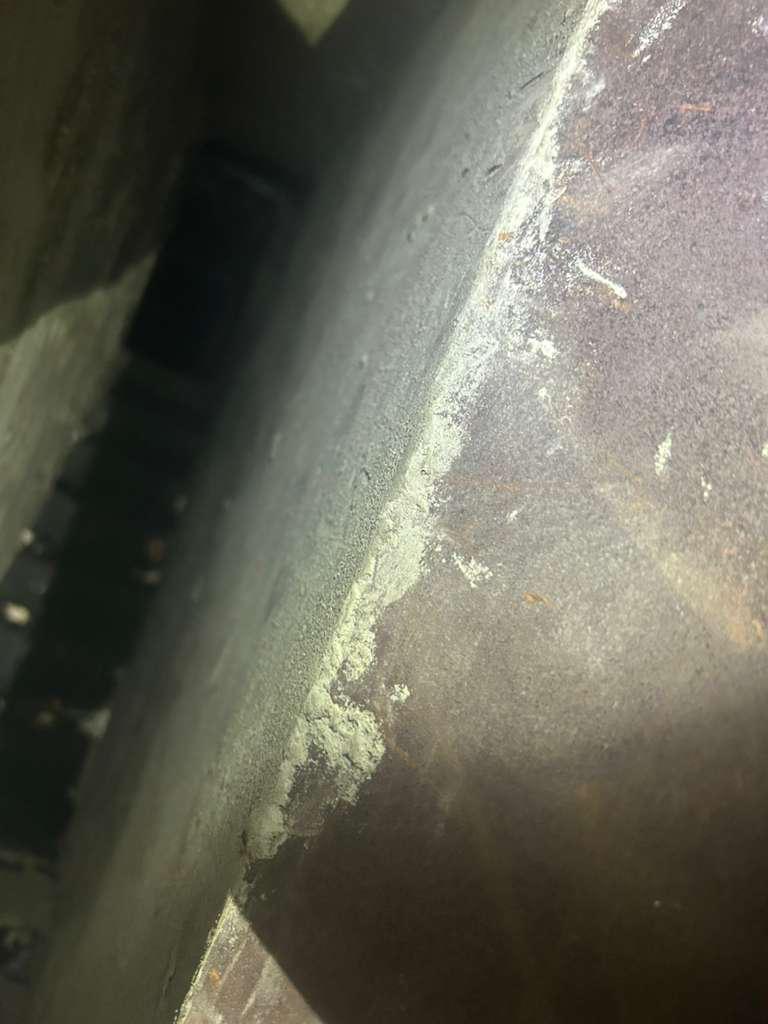
- Corrosion: The condensate, especially if it mixes with other combustion byproducts, can become acidic, corroding metal vent pipes and connectors, compromising the system’s integrity.
- Masonry Damage: For B-vent systems within masonry chimneys, acidic moisture can degrade mortar joints and bricks, leading to spalling, cracking, and structural instability over time – a particular concern for the historic brick chimneys prevalent in many parts of Boston.
- Mold and Mildew: Excess moisture can seep into adjacent building materials, creating a breeding ground for mold and mildew, which can trigger respiratory problems and allergic reactions.
- Reduced Indoor Air Quality: Beyond mold, a constantly damp environment contributes to general poor indoor air quality, which can exacerbate asthma and other sensitivities, particularly relevant in urban environments like Boston where indoor air quality is already a significant public health focus.
Combustion Byproducts: Soot and Acidic Condensate
While gas burns much cleaner than wood, it’s not entirely free of byproducts. Incomplete combustion can lead to the formation of soot. Though less common than with wood-burning fires, soot can accumulate within gas vent systems, reducing efficiency and potentially contributing to blockages. Furthermore, as mentioned, the acidic nature of condensed combustion gases can erode internal components, leading to leaks or structural failures of the vent system itself.
Reduced Efficiency and Increased Energy Bills
A compromised venting system, such as one with partial blockages or damaged components, directly impacts the efficiency of your gas fireplace. If the exhaust isn’t venting effectively, the fireplace may struggle to draw in adequate combustion air or operate at its optimal temperature. This leads to incomplete combustion, wasted fuel, and ultimately, higher utility bills as your system works harder to achieve the desired heat output. In a city like Boston, with its cold winters and high energy costs, inefficient heating systems are an unnecessary drain on your finances.
Fire Hazards
While gas fireplaces themselves are generally safer from direct fire hazards compared to wood-burning ones, venting issues can still pose risks:
- Overheating: A blocked or improperly sized vent can cause excessive heat buildup within the fireplace unit or the vent pipe itself, potentially igniting nearby combustible materials if clearances are not maintained.
- Gas Leaks: Damaged or corroded vent pipes and connectors can also lead to gas leaks within your home, which is an immediate and severe fire and explosion risk. The distinctive rotten egg smell of natural gas is a crucial warning sign that should never be ignored.
These dangers underscore the critical importance of a proactive and informed approach to gas fireplace maintenance. Ignoring these systems is not just an oversight; it’s a gamble with your home’