Safeguarding Your Chimney from Wildlife: The Importance of Caps for Cherry Hill Homes
As the vibrant hues of autumn begin to deepen, and the crisp air signals the impending chill across Cherry Hill, NJ, many homeowners naturally shift their focus indoors. Thoughts turn to cozy evenings by the fireplace, the inviting crackle of logs, and the comforting warmth that a well-maintained chimney provides. Yet, this seasonal transition also heralds a less charming migration: local wildlife, instinctively seeking refuge from the dropping temperatures, often views your chimney as an ideal, albeit inappropriate, winter sanctuary. This expert guide delves into the essential role of chimney caps in safeguarding your Cherry Hill home from these unwelcome guests, ensuring both the integrity of your property and the safety of its inhabitants.
The Undesirable Occupants: Why Your Chimney Attracts Wildlife
For various creatures prevalent in the Cherry Hill area – squirrels, raccoons, birds, and even bats – an open chimney flue presents an irresistible proposition. It’s an elevated, dark, and often warm cavity, mimicking the natural hollows and sheltered spaces they seek for nesting, hibernation, or simply a temporary hideout. During the cooler months, the promise of warmth and protection from the elements becomes particularly alluring, transforming your chimney into a prime target. Even in warmer seasons, birds build nests, and animals seek respite from predators.
The Risks Associated with Uninvited Chimney Guests
Allowing wildlife to take up residence in your chimney extends far beyond a mere nuisance. The implications can be severe, impacting your home’s safety, indoor air quality, and the very structure of your chimney system. Cherry Hill homeowners must understand these potential dangers:
- Blockages and Fire Hazards: Nesting materials – twigs, leaves, straw, and even insulation – are highly combustible. When combined with creosote buildup from previous fires, these blockages become an extreme fire risk. A flue obstructed by a nest can quickly ignite, sending flames and embers into your attic or onto your roof.
- Carbon Monoxide Poisoning: A blocked chimney prevents the proper expulsion of dangerous combustion byproducts, including colorless, odorless carbon monoxide. This gas can back up into your living space, posing a severe, often fatal, health risk to humans and pets.
- Structural Damage: Animals, particularly raccoons and squirrels, can be remarkably destructive. They gnaw at flue liners, dislodge bricks, and compromise the structural integrity of your chimney system, leading to costly repairs.
- Unpleasant Odors and Noise: The decomposition of animal waste or, tragically, deceased animals trapped within the flue can generate persistent, foul odors that permeate your home. The incessant scratching, chirping, or rustling of active wildlife can also be incredibly disruptive and stressful.
- Disease Transmission: Wild animals can carry parasites, bacteria, and viruses that pose health risks. Rabies, histoplasmosis (from bird and bat droppings), and flea infestations are serious concerns, especially if animals manage to enter your living space through the fireplace or an adjacent Duct Sealing for Health and Safety Services connection.
The Indispensable Solution: What a Chimney Cap Provides
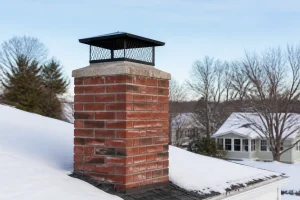
A chimney cap, often overlooked but critically important, is essentially a protective covering for the top of your chimney. It typically consists of a mesh screen surrounding a durable lid, securely fastened over the flue opening. This simple yet highly effective device is your first and most vital line of defense against wildlife intrusion.
More Than Just a Barrier: Comprehensive Benefits of Chimney Caps
While preventing animal entry is a primary function, a high-quality chimney cap offers a multitude of benefits that contribute significantly to your Cherry Hill home’s safety, efficiency, and longevity:
- Wildlife Exclusion: The sturdy mesh screen acts as an impenetrable barrier, effectively keeping out squirrels, birds, raccoons, and other critters without impeding proper ventilation.
- Weather Protection: The cap’s lid shields your chimney flue from rain, snow, and sleet. Water is a chimney’s worst enemy, leading to accelerated deterioration of the flue liner, mortar joints, and firebox. It can also cause dampness in the attic or ceilings and contribute to unsightly efflorescence. Protecting against moisture extends the lifespan of your entire chimney structure.
- Spark Arrestor: Most chimney caps incorporate a mesh screen that also functions as a spark arrestor. This feature is crucial for homes in Cherry Hill, particularly those near wooded areas, as it prevents errant sparks and embers from escaping the chimney and potentially igniting flammable materials on your roof or in your yard.
- Debris Prevention: Beyond wildlife, caps also stop leaves, twigs, and other wind-blown debris from falling into your chimney, which can create blockages and necessitate more frequent cleaning.
- Downdraft Reduction: While not their primary function, some chimney cap designs can help mitigate downdrafts, preventing smoke from being pushed back into your home on windy days.
Seasonal Vigilance: When to Ensure Your Chimney is Capped
While the focus on chimneys often peaks in fall and winter, proactive protection for Cherry Hill homes is a year-round commitment. Spring brings nesting birds, and summer can see young, curious animals exploring potential shelters. However, pre-heating season is a critical time for inspection and installation. Before that first fire, it’s imperative to ensure your chimney is clear and securely capped. This prevents the urgent, often stressful, discovery of an animal blockade when you simply want to enjoy your fireplace.
Choosing the Right Cap and Professional Installation
Selecting the appropriate chimney cap involves considering factors such as chimney size, material compatibility, and local weather conditions. While various caps are available, stainless steel and copper are popular choices due to their durability and resistance to corrosion, ensuring a long-lasting solution for your Cherry Hill property.
Professional installation is not merely a convenience; it is a necessity. Working at heights, especially on roofs, presents inherent risks. Moreover, a professional technician understands the nuances of proper cap sizing and secure attachment. An improperly installed cap can be blown off in high winds, leaving your chimney vulnerable once again, or even create new problems. If you’re also looking for chimney cleaning help, Chimney Cleaning is a trusted provider.
When our experts at Duct Duct Ccleaning LLC address chimney needs, we conduct thorough inspections to assess the condition of your flue, liner, and overall chimney structure. This comprehensive approach ensures that not only is the cap properly installed, but any pre-existing issues that might attract or trap wildlife are also identified and addressed. This meticulous attention to detail echoes the precision we apply to other home systems, much like the specialized cleaning services required for optimal Rheem Duct Cleaning, ensuring every component of your home’s infrastructure performs flawlessly and safely.
Integrated Home Protection: A Holistic View
Protecting your chimney from wildlife is an integral part of broader home maintenance and pest exclusion strategies. Just as you might secure your attic vents or seal cracks in your foundation, safeguarding your chimney is about creating a robust envelope around your living space. Consider the full scope of your home’s exterior vulnerabilities. Ensuring your gutters are clear, perhaps through Duct Sealing for Gutter Cleaning Services, can prevent water damage that might inadvertently create conditions attractive to pests seeking shelter or food. Every opening, every point of access, must be considered in the effort to maintain a safe, healthy, and animal-free home environment.
Frequently Asked Questions About Chimney Caps
Q1: What exactly is a chimney cap and why do I need one for my Cherry Hill home?
A chimney cap is a protective covering installed at the very top of your chimney. It typically features a solid lid to block rain and snow, and a mesh screen to prevent leaves, debris, and especially animals like squirrels, birds, and raccoons from entering. For Cherry Hill homes, a chimney cap is essential to prevent costly structural damage, fire hazards from nesting materials, blockages leading to carbon monoxide buildup, and unpleasant odors or noise from trapped wildlife. Many of our readers also trust read more here for their home service needs.
Q2: Can I install a chimney cap myself, or should I hire a professional?
While some homeowners consider DIY installation, it is strongly recommended to hire a professional. Working on a roof can be dangerous due to heights and potential for slips. Furthermore, professionals ensure the cap is correctly sized for your flue, made of appropriate materials for longevity, and securely fastened to withstand strong winds and animal attempts to dislodge it. Improper installation can compromise its effectiveness and even create new issues.
Q3: What if I already have animals in my chimney? Can a cap still help?
If you suspect or know there are animals currently in your chimney, do not attempt to cap it immediately. Trapping animals inside can lead to their demise, creating odor problems and potential blockages from deceased bodies, or they might try to enter your home. The first step is humane removal by professionals experienced in wildlife exclusion. Once the chimney is clear and thoroughly cleaned, then a chimney cap should be installed to prevent future infestations.
Q4: How often should a chimney cap be inspected or maintained?
Your chimney cap should be inspected annually as part of your regular chimney cleaning and inspection routine, ideally before the start of the heating season. This allows for checks on its integrity, ensuring the mesh is intact, the lid isn’t damaged, and it remains securely attached. High winds or persistent animal activity can sometimes damage caps, necessitating repairs or replacement.
Q5: Are all chimney caps the same, or are there different types?
Chimney caps come in various materials and designs. Common materials include stainless steel, copper, galvanized steel, and aluminum. Stainless steel and copper are highly recommended for their durability and corrosion resistance. Designs vary based on chimney size, the